
Sunday, March 31, 2019

Titan Machinery Inc (TITN) Q4 2019 Earnings Conference Call Transcript

Logo of jester cap with thought bubble.

Image source: The Motley Fool.

Titan Machinery Inc  (NASDAQ:TITN)Q4 2019 Earnings Conference CallMarch 27, 2019, 8:30 a.m. ET

Contents: Prepared Remarks Questions and Answers Call Participants Prepared Remarks:

Operator

Greetings and welcome to Titan Machinery Fourth Quarter 2019 Earnings Call. At this time, all participants are in a listen-only mode. A question-and-answer session will follow the formal presentation. (Operator Instructions) Please note this conference is being recorded.

I will now turn the conference over to your host, John Mills with ICR. Mr. Mills, you may begin.

John Mills -- Managing Partner

Great. Thank you. Good morning, ladies and gentlemen. Welcome to Titan Machinery Fourth Quarter Fiscal 2019 Earnings Conference Call. On the call today from the Company are David Meyer, Chairman and CEO; and Mark Kalvoda, Chief Financial Officer. By now, everyone should have access to the earnings release for the fiscal fourth quarter ended January 31, 2019, which went out this morning at approximately 6:45 AM Eastern Time. If you have not received the release, it is available on the Investor Relations tab of Titan Machinery's website at ir.titanmachinery.com. This call is being webcast and a replay will be available on the Company's website as well. In addition, we are providing a presentation to accompany today's prepared remarks. We suggest you access the presentation now by going to Titan's website at ir.titanmachinery.com. The presentation is directly below the webcast information in the middle of the page.

You'll see on Slide 2 of the presentation our Safe Harbor statement. We would like to remind everyone that the prepared remarks contain forward-looking statements and management may make additional forward-looking statements in response to your questions. The statements do not guarantee future performance and therefore undue reliance should not be placed upon them. These forward-looking statements are based on current expectations of management and involve inherent risk and uncertainties, including those identified in the Risk Factors section of Titan's most recently filed Annual Report on Form 10-K. These risk factors contain a more detailed discussion of the factors that could cause actual results to differ materially from those projected in any for

Friday, March 29, 2019

Don't hide these things from your financial advisor

Bob Gucer, a certified financial planner, had been working with a client for 20 years when he discovered a secret that the person was hiding.

It was $135,000 in credit card debt.

"Up until that point, he had told me he didn't carry any, that he always paid it off," said Gucer, a wealth advisor and managing principal at Benedetti, Gucer & Associates in Atlanta.

Financial advisor with laptop meeting with senior couple in dining room Hero Images | Hero Images | Getty Images
The client also hadn't told his spouse.

"When he came clean with me, he reluctantly agreed to tell his wife," Gucer said. "They were in their late 50s or so, and this debt was potentially going to take them to a bad place."

While Gucer helped them come up with a game plan to pay off the debt and they are in a good place now (they also thanked him for saving their marriage), hidden debt is one of those things that has the potential to entirely derail a financial plan.

"Even if it's something embarrassing, not sharing it can make everything more difficult." -Bob Gucer, wealth advisor and managing principal at Benedetti, Gucer & Associates

Not every advisor takes a comprehensive look at their clients' financial lives and considers aspects ranging from cash flow and budgeting to retirement and estate planning. Those who do, however, say their advice can only be as good as the accuracy of the information they're given.

"Even if it's something embarrassing, not sharing it can make everything more difficult," Gucer said.

Of course, credit card debt is only one of the things that clients might not want to fess up to.

Family issues

It can be difficult to talk about, say, an estranged child or one with addiction issues. Yet those relationships can matter.

For example, CFP Robert Braglia had clients years ago who simply refused to talk about an adult son, although they kept him in their will.

"The wife passed away, and the husband passed away shortly thereafter," said Braglia, president of American Financial & Tax Strategies in New York. "A lot of money went to the young man, and it was all spent."

As it turned out, the child was in the throes of substance abuse. If the clients had been open about it, Braglia could have helped make sure they created a trust or other entity to prevent their son having unfettered access to his inheritance.

show chapters Finding a fiduciary Finding a fiduciary    20 Hours Ago | 01:17
"They could have protected him from himself," he said.

Braglia also once had a client who had a wife and children in America and another family in Europe.

"He wanted to make sure he was taking care of both," Braglia said. "If he hadn't disclosed that he had two families, the planning would not have been optimal."

Advisors typically want to know about ex-spouses, child support or other legal agreements, or any other relationship in your past that comes with financial implications or obligations.

Undisclosed assets

Even if it's just cash you have in a savings account, your advisor generally should know about it.

Basically, it's a piece of the puzzle. Some assets get different tax treatment than others, which can influence an advisor's recommendation on what source of money you should turn to for various needs or wants and when.

Also, undisclosed accounts could throw your asset allocation — how your money is divvied up among stocks, bonds and cash — out of whack.

More from Advisor Insight:
These people won't have their taxes ready by April 15
Powerball jackpot surges to $625 million. Here's the tax bite
This one-size-fits-all 401(k) investment gets more personal

When advisors determine that mix, it's based on your risk tolerance. That generally refers to both your ability to stomach swings in the market and how long until you need the money.

"We can't build a portfolio based on your risk tolerance and have it be accurate if we don't know what you have elsewhere," Gucer said.

The importance of disclosure also applies to other assets or sources of income, including life insurance policies, real estate, variable annuities, pensions, alimony and the like.

Health issues

Thinking about your own death — or any infirmity prior to that — generally isn't pleasant.

Yet health and longevity factor into financial planning. In retirement, for example, the average couple is expected to spend $280,000 on health-care expenses alone, according to Fidelity Investments.

If you have a family history of a particular disease or you have a condition that affects your life expectancy, your advisor likely wants to know.

"A good advisor will think forward and figure out what it means for your plan," said Eric Walters, a CFP and president of SilverCrest Wealth Planning in Greenwood Village, Colorado.

show chapters Investing for a Lifetime: Planning in your 70s Investing for a Lifetime: Planning in your 70s    20 Hours Ago | 04:30
"For example, if your family has a history of Alzheimer's disease or memory, you should know that caring for someone with that is a lot more expensive than some other health issues," Walters said.

The bottom line is that to the degree you feel comfortable, it could be better to overshare information with your advisor than to withhold it.

"It's really important for people to find an advisor they trust so they can be candid about uncomfortable things," Braglia said. "You want to be able to tell the advisor and let him or her say 'Nah, this isn't important' or 'I'm so glad you told me so we can tend to this.'"

Sign Up for Our Newsletter Your Wealth Weekly advice on managing your money SIGN UP NOW Get this delivered to your inbox, and more info about about our products and services.
By signing up for newsletters, you are agreeing to our Terms of Use and Privacy Policy. .investigation-wrapper .description{ text-align:center; padding-bottom:15px; } .nl-privacy{ font-size: 10px; padding-top: 20px; display:block; } .wildcard .investigation-wrapper { -webkit-box-shadow: 0px 0px 4px 0px #999999; /* Android 2.3+, iOS 4.0.2-4.2, Safari 3-4 */ box-shadow: 5px 5px 5px 0px #999989; } .subsection .investigation{ background: #efefef; border-radius: 3px; padding: 10px 20px 20px 20px; } .investigation small{white-space:normal;} .subsection .investigation h1{ text-transform: uppercase; text-align: center; font-family: "Gotham Narrow Ssm 5r"; margin-bottom: 0px; padding-bottom:0px; font-size: 18px; margin-top: 10px; word-spacing: 1.5px; color: #333333; } .subsection .investigation .headline_title { font-size: 28px; padding-top: 20px; display: block; font-family: "Gotham Narrow Ssm 7r"; padding-bottom:5px; } .subsection .email-info { background: rgba(74, 144, 226, 1); max-width: 140px; margin: 0px auto; text-align: center; padding: 6px 1px; color: #fff; border-radius: 5px; } .subsection .email-info { color:#fff; } .subsection .email-info:hover{ background: #2077B6; } body .subsection.investigation-wrapper{overflow:visible;}

Sunday, March 24, 2019

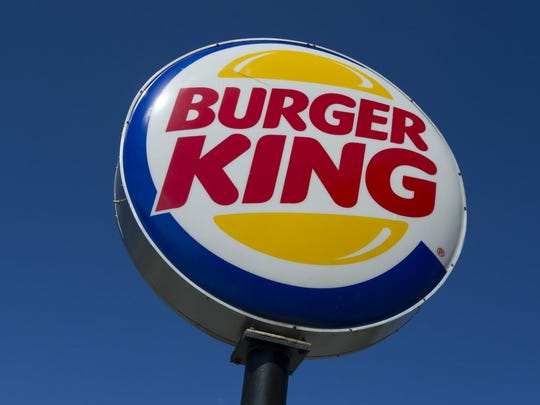
Burger King offers daily coffee for $5 per month

Wake up, coffee addicts: Burger King is letting you get its coffee at a discounted rate.

The fast-food chain is launching a coffee subscription service. By signing up for the BK Café coffee subscription program via the company's app, users can enjoy a daily cup of hot coffee for a total of $5 per month.

If customers choose to go to Burger King every day for a 30-day month like the upcoming April, they would pay under 17 cents a day for a cup of coffee.

The subscription service will be offered across the United States except in Alaska, Hawaii and Puerto Rico. 

"We continue to leverage technology to enhance our guests experience in our restaurants," Chris Finazzo, Burger King's president for North America President, said in a statement. "We are proud to launch our own subscription service where guests can now enjoy a hot cup of coffee every day for just $5 a month."

Ransom hoax?: The kidnapper calling from his daughter's iPhone demanded money or she would die. It was all a scam.

Healthcare affordability: Working full-time for health coverage? Many who want part-time jobs are stymied by costs

Burger King began in 1954 in Miami and has grown to more than 13,000 locations. (Photo: Eileen Blass, USA TODAY)

Follow USA TODAY intern Ben Tobin on Twitter: @TobinBen

Monday, March 18, 2019

D-Street Buzz: Nifty Pharma in green led by Sun Pharma; IT stocks drag

The Indian stock market turned flat in the afternoon session on March 14 with Nifty down 5 points, trading at 11,336, and Sensex added 12 points, trading at 37,764.

Nifty IT was down over half a percent dragged by HCL Tech, Tech Mahindra, Oracle Financial Services, Tata Elxsi, TCS and Birla Soft.

FMCG stocks were also down led by Godrej Consumer that shed 2 percent followed by ITC, Proctor & Gamble, United Spirits, GSK Consumer, Dabur India and United Breweries.

From the auto space, the top losers were Hero MotoCorp, Motherson Sumi, TVS Motor, Bosch, Apollo Tyres and Ashok Leyland.

related news Reliance Infrastructure falls nearly 4% post entire stake sale in subsidiary BSE rises 4% as co says board to consider buyback on May 7 Bajaj Consumer Care rises 2% after company hires global management consultant

IndusInd Bank along with YES Bank, Axis Bank and RBL bank kept the Bank Nifty index in the green.

Nifty Realty was the outperforming sector, up over 1 percent led by Indiabulls Real Estate, DLF, Phoenix Mills, Prestige Estates, Sunteck Realty and Oberoi Realty.

From the BSE midcap space, the top gainers were NBCC, Motilal Oswal, DHFL, GRUH Finance, IIFL Holdings and NLC India while the top losers were Reliance Capital, Reliance Power, Reliance Infra, Indian Hotels, Container Corporation and Voltas.

From the smallcap space, the top gainers were Deep Industries that spiked 11 percent followed by RPP Infra, Indocount Industries and Emkay while the top losers were Shemaroo Entertainment, KDDL, Manpasand Beverages and GTL Infra among others.

The top Nifty gainers included YES Bank, IndusInd Bank, NTPC, Sun Pharma and Coal India while the top losers included UltraTech Cement, HCL Tech, Tech Mahindra, Grasim Industries and Hero MotoCorp.

The most active stocks were Reliance Industries, IndusInd Bank, Just Dial, YES Bank and HDFC.

HDFC Bank, Reliance Industries, Godfrey Phillips, Karnataka Bank, Muthoot Finance and UPL have hit 52-week high on NSE while Reliance Communications and Alkem Laboratories hit new 52-week low in the afternoon trade.

The breadth of the market favoured the declines with 712 stocks advancing and 979 declining while 387 remained unchanged. On the BSE, 1,013 stocks advanced, 1,424 declined and 151 remained unchanged.

Disclosure: Reliance Industries Ltd. is the sole beneficiary of Independent Media Trust which controls Network18 Media & Investments Ltd. First Published on Mar 14, 2019 01:09 pm

Friday, March 15, 2019

Aurora Cannabis chairman describes Nelson Peltz partnership

Aurora Cannabis Executive Chairman Michael Singer told CNBC that the company's new partnership with activist investor Nelson Peltz is one of many strategic relationships it hopes to foster as it works to broaden its product portfolio.

"He may have a reputation as the hedge fund activist, but I can tell you our diligence in the numerous face-to-face meetings convinced us that Nelson is someone who proactively works with companies to maximize value for stakeholders," Singer said on "Squawk Box" Wednesday morning.

Singer's comments came about an hour after Aurora announced that it has appointed Peltz as a strategic advisor to the company. The company said in a release that the Trian Partners co-founder and CEO will "work collaboratively and strategically to explore potential partnerships that would be the optimal strategic fit for successful entry into each of Aurora's contemplated market segments."

Aurora shares spiked 15 percent in early trading Wednesday and are up 84 percent in 2019.

Peltz's deep knowledge of the consumer goods industry will likely prove invaluable at Aurora. The billionaire investor has invested in home goods and food companies for decades. His current investments including a $3.6 billion stake in Procter & Gamble, an $884 million stake in packaged foods giant Mondelez and a longtime, $471 million investment in Wendy's.

Trian until 2016 held shares in PepsiCo, where new CEO Ramon Laguarta has prioritized accelerating organic revenue growth and managing costs. For investors in slow-and-steady companies like PepsiCo and Procter & Gamble, an opportunity to kindle a relationship with millennial customers and high-growth industries like cannabis aren't easily overlooked.

"We see a number of potential growth areas, certainly consumer packaged goods," Singer added. "The beverage industry, cosmetics, wellness; we see pharmaceuticals now starting to show interest in our space. There are a number of what we call market segments that we expect to operate in with one or many of these potential partners."

Asked by Andrew Ross Sorkin whether Peltz's current or prior relationships with the U.S. consumer goods market played a role in the company's decisions to team up, Singer said "we don't see it that way."

"We took a very differentiation approach to – I wanted to proceed carefully, thoughtfully and with a focused approach with regards to partnering," he said. "We've identified a model that potentially includes multiple partners, increasing the complexity of the discussion."

Thursday, March 14, 2019

The ONE Rule Every Great Investor Follows (No Matter What)

If you asked for investment advice from the world's greatest investors, the message would be the same...

Sure, their investment philosophies would differ, but their guiding principles on what it takes to be successful wouldn't. Every one of them would cite one single thing as the key ingredient to building wealth. And that's risk management.

Hedge Fund founder Paul Tudor Jones has a trading manifesto with 21 rules. The majority of them deal with risk management. For example, Rule No. 3 is "If I have positions going against me, I get out; if they are going for me, I keep them." In other words, he cuts his losers short and lets his winners ride.

Rule No. 5: "Don't ever average losers." Said another way, don't throw good money after bad.

Rule No. 10: "The most important rule of trading is to play great defense, not offense." In other words, protect and preserve the capital you've made.

Rule No. 17: "Don't focus on making money; focus on protecting what you have."

American financier Bernard Baruch, whom after success in business devoted his time to advising U.S. Presidents Woodrow Wilson and Franklin D. Roosevelt, wrote in his 10 Rules of Investing, "Learn how to take your losses quickly and cleanly. Don't expect to be right all the time. If you have made a mistake, cut your losses as quickly as possible."

Even Warren Buffett's No. 1 rule in investing is to "Never lose money." Followed closely by rule No. 2, which is, "Don't forget rule number one."

I could go on and on with quips from famous investors, but they would all be like the ones I've shared above. And that's because there are only a few basic "truths" of investing that all the great investors have learned over time.

Action To Take
These are truths that have been forged from years of mistakes, miscalculations and trial-and-error. Likely similar to mistakes that you and I have made (or will make). Hopefully, we can learn from the knowledge they share to avoid many of the same painful blunders they made -- especially not cutting a loser quickly enough.

I can't overemphasize the importance of being willing to cut a loser. Don't let a bad trade turn into an investment. And as Art Huprich, chief market technician at Day Hagen Asset Management, once said, "Realize that a loss in the stock market is part of the investment process. The key is not letting it turn into a big one as this could devastate a portfolio. It's not the ones that you sell that keep going up that matter. It's the one that you don't sell that keeps going down that does."

Wednesday, March 13, 2019

Stocks in the news: NMDC, Raymond, Advanced Enzyme, Avenue Supermarts, Keerthi

Here are stocks that are in the news today:

Majesco: USA subsidiary announces Norman Carroll as Managing Director of European operations.

NMDC: Board of directors declared an interim dividend at the rate of Rs 5.52 per share of face value of Re 1 each for the financial year 2018-19.

Avenue Supermarts: Company has issued commercial paper of Rs 100 crore.

related news Stocks in the news: HDFC Life, PSP Projects, Welspun Corp, Jet Airways, Advanced Enzyme Stocks in the news: Tata Motors, Cipla, GMR Infra, Laurus Labs, Dilip Buildcon, Nitesh Estates, OIL Stocks in the news: RIL, Tata Motors, Infosys, Lupin, KNR Constructions, BLS International, LT Foods

Raymond: Company terminated development management agreement with Colorplus Realty Limited for developing its realty project - 'Raymond Realty Phase I' and in order to gain better operational efficiencies and control on the project, it intends to undertake the development on its own.

CMI: Company executed its maiden export order from Mauritius for the supply of XLPE LV/HV underground power cables from the company's plant located at Baddi- Himachal Pradesh.

Axis Bank: Board approved the appointment of Rakesh Makhija, Independent Director as the Non-Executive (Part-time) Chairman of the bank, for a period of 3 years.

TVS Motor: Company has further invested a sum of Rs 30 crore in TVS Credit Services Limited, a subsidiary company. Company's direct holding in TVS CS increased to 10.29 percent.

Kajaria Ceramics: Board approved re-appointment of Raj Kumar Bhargava and Debi Prasad Bagchi as the independent directors.

Kalpataru Power Transmission: Company has completed the acquisition of Shree Shubham Logistics shares.

V-Mart Retail: Company has opened three new stores in Himachal Pradesh, Jharkhand and Uttar Pradesh respectively. This takes the total number of stores to 207 stores in 165 cities across 17 states.

Hindustan Fluorocarbons: Board approved the valuation report and sale of the 66 acres 13 gunthas of vacant surplus land of company subject to the approval of the shareholders, Govt of India and Govt of Telangana/TSIIC.

Orient Tradelink: Company announces a new film which will be based on Para Cricketers of India.

Advanced Enzyme Technologies: Promoter Chandrakant Rathi Innovations and Projects Pvt Ltd sold another 2.20 percent stake in the company and reduced shareholding to 14.67 percent.

Keerthi Industries: Company successfully awarded the onshore contract area of KG/ONDSF/Gokarnapuram/2018 in KG basin under the Discovered Small Field Bid Round — II of offer contract areas.

Bulk Deals on March 12

NSE

Keerti Know & Skill: Mandeep Tradelink Private Limited purchased 20,000 shares of the company at Rs 83 per share.

Reliance Communications: Rattanindia Finance Private Limited sold 1,51,00,000 shares of the company at Rs 5.25 per share.

BSE

A-1 Acid: Ansu Investment bought 1,52,000 shares of the company at Rs 57.34 per share.

Upsurge Investment Finance: Gagan Deep Multitrade Private Limited bought 1,91,225 shares of the company at Rs 14.83 per share.

(For more bulk deals, click here)

Analyst or Board Meet/Briefings

Procter & Gamble Hygiene and Health Care: Company's officials will meet SBI Mutual Fund and LIC on March 13.

Titan Company: Company's officials will meet Elo Mutual Pension Insurance Company, Finland and Genesis Investment Management, LLP in Bangalore on March 13.

Kiri Industries: Management of the company will be attending the Valorem Analyst Conference 2019, organised by Valorem Advisors to be held on March 13.

Mishra Dhatu Nigam: Board meeting is scheduled on March 16 to consider payment of 1st interim dividend for the FY2018-19.

Jindal Stainless: Company's officials will meet analysts/investors on March 13 and 14.

Shriram City Union Finance: Company's officials will meet JM Financial Institutional Securities Ltd on March 18.

Cipla: Company's officials will meet fund houses / investors on March 13, 15, 26 and 27.

Lakshmi Vilas Bank: Board meeting is scheduled on March 15 to consider the issue price of the equity shares to be allotted to QIBs in the QIP, including a discount if any.

Eicher Motors: Company's officials will meet IDFC Mutual Fund and Marshall Wace Global Opportunities on March 13, Columbia Threadneedle Investment on March 14, and Pari Washington Company Advisors on March 15.

HDFC Bank: Board meeting is scheduled on April 20 to consider the audited financial results for the quarter and year ending March 2019 and recommendation of dividend, if any.

Voltas: Company's officials will meet analysts/institutional investors on March 13.

  First Published on Mar 13, 2019 07:39 am

Tuesday, March 12, 2019

Bed Bath & Beyond Inc. (BBBY) Holdings Raised by Quinn Opportunity Partners LLC

Quinn Opportunity Partners LLC raised its holdings in shares of Bed Bath & Beyond Inc. (NASDAQ:BBBY) by 17.5% during the fourth quarter, according to the company in its most recent disclosure with the Securities & Exchange Commission. The firm owned 447,067 shares of the retailer’s stock after acquiring an additional 66,567 shares during the quarter. Bed Bath & Beyond makes up about 0.7% of Quinn Opportunity Partners LLC’s investment portfolio, making the stock its 26th biggest position. Quinn Opportunity Partners LLC owned about 0.32% of Bed Bath & Beyond worth $5,061,000 at the end of the most recent quarter.

A number of other large investors have also bought and sold shares of the business. Contrarius Investment Management Ltd grew its position in shares of Bed Bath & Beyond by 32.9% during the fourth quarter. Contrarius Investment Management Ltd now owns 9,207,291 shares of the retailer’s stock valued at $104,227,000 after purchasing an additional 2,276,723 shares in the last quarter. Dimensional Fund Advisors LP grew its position in shares of Bed Bath & Beyond by 13.3% during the fourth quarter. Dimensional Fund Advisors LP now owns 11,259,473 shares of the retailer’s stock valued at $127,458,000 after purchasing an additional 1,317,631 shares in the last quarter. South Texas Money Management Ltd. purchased a new position in shares of Bed Bath & Beyond during the third quarter valued at about $18,640,000. Renaissance Technologies LLC grew its position in shares of Bed Bath & Beyond by 1,688.8% during the third quarter. Renaissance Technologies LLC now owns 1,280,060 shares of the retailer’s stock valued at $19,201,000 after purchasing an additional 1,208,502 shares in the last quarter. Finally, Deutsche Bank AG grew its position in shares of Bed Bath & Beyond by 241.2% during the third quarter. Deutsche Bank AG now owns 1,504,913 shares of the retailer’s stock valued at $22,570,000 after purchasing an additional 1,063,793 shares in the last quarter. 97.53% of the stock is currently owned by institutional investors and hedge funds.

Get Bed Bath & Beyond alerts:

BBBY opened at $14.96 on Monday. The stock has a market capitalization of $2.07 billion, a P/E ratio of 4.79, a P/E/G ratio of 5.61 and a beta of 1.14. Bed Bath & Beyond Inc. has a 12 month low of $10.46 and a 12 month high of $23.28. The company has a quick ratio of 0.55, a current ratio of 1.67 and a debt-to-equity ratio of 0.51.

Bed Bath & Beyond (NASDAQ:BBBY) last announced its quarterly earnings data on Wednesday, January 9th. The retailer reported $0.18 earnings per share (EPS) for the quarter, topping the Thomson Reuters’ consensus estimate of $0.17 by $0.01. The business had revenue of $3.03 billion during the quarter, compared to the consensus estimate of $3.04 billion. Bed Bath & Beyond had a net margin of 2.50% and a return on equity of 11.08%. The firm’s quarterly revenue was up 2.6% compared to the same quarter last year. During the same quarter last year, the firm earned $0.44 earnings per share. Analysts anticipate that Bed Bath & Beyond Inc. will post 2 earnings per share for the current year.

The company also recently disclosed a quarterly dividend, which will be paid on Tuesday, April 16th. Shareholders of record on Friday, March 15th will be paid a $0.16 dividend. This represents a $0.64 annualized dividend and a yield of 4.28%. The ex-dividend date of this dividend is Thursday, March 14th. Bed Bath & Beyond’s payout ratio is currently 20.51%.

A number of research analysts have recently weighed in on BBBY shares. Zacks Investment Research lowered Bed Bath & Beyond from a “buy” rating to a “hold” rating in a research report on Wednesday, December 12th. Wells Fargo & Co restated a “sell” rating and set a $11.00 price objective on shares of Bed Bath & Beyond in a research report on Monday, January 7th. Telsey Advisory Group restated a “market perform” rating and set a $13.00 price objective (down previously from $16.00) on shares of Bed Bath & Beyond in a research report on Friday, January 4th. Barclays lowered Bed Bath & Beyond from an “equal weight” rating to an “underweight” rating and cut their price objective for the company from $15.00 to $13.00 in a research report on Monday, March 4th. Finally, BidaskClub lowered Bed Bath & Beyond from a “strong-buy” rating to a “buy” rating in a research report on Wednesday, March 6th. Eleven research analysts have rated the stock with a sell rating, seven have assigned a hold rating and two have assigned a buy rating to the stock. The stock presently has a consensus rating of “Hold” and an average target price of $13.50.

In other Bed Bath & Beyond news, Director Jordan Heller sold 19,554 shares of the firm’s stock in a transaction dated Tuesday, January 15th. The shares were sold at an average price of $15.26, for a total value of $298,394.04. Following the completion of the sale, the director now owns 5,647 shares of the company’s stock, valued at $86,173.22. The sale was disclosed in a legal filing with the SEC, which can be accessed through the SEC website. 5.50% of the stock is owned by company insiders.

TRADEMARK VIOLATION NOTICE: This report was posted by Ticker Report and is owned by of Ticker Report. If you are reading this report on another publication, it was illegally copied and reposted in violation of US and international trademark & copyright laws. The original version of this report can be viewed at https://www.tickerreport.com/banking-finance/4213642/bed-bath-beyond-inc-bbby-holdings-raised-by-quinn-opportunity-partners-llc.html.

About Bed Bath & Beyond

Bed Bath & Beyond Inc, together with its subsidiaries, operates a chain of retail stores. It sells a range of domestics merchandise, including bed linens and related items, bath items, and kitchen textiles; and home furnishings, such as kitchen and tabletop items, fine tabletop, basic housewares, general home furnishings, consumables, and various juvenile products.

Read More: Understanding Options Trading

Want to see what other hedge funds are holding BBBY? Visit HoldingsChannel.com to get the latest 13F filings and insider trades for Bed Bath & Beyond Inc. (NASDAQ:BBBY).

Institutional Ownership by Quarter for Bed Bath & Beyond (NASDAQ:BBBY)

Monday, March 11, 2019

Crude oil prices are expected to trade lower today: Angel Commodities


Angel Commodities' report on Crude oil


Last week, WTI crude was down by 0.1 percent whereas Crude on the MCX was down by 0.55 percent. Supply cuts by OPEC and U.S. sanctions on OPEC members Venezuela and Iran continue to support the crude. OPEC and its allies stated that the production cuts were imposed to avoid the supply glut that could soften prices. OPEC further added that they might continue with the supply cuts for six months. OPEC and its allies meet next in Vienna on April 17-18, 2019. However, China trimmed down there growth targets for 2019 which raised fresh demand concerns for Crude. China is one of the biggest consumer of Crude, lower demand from China weighed on the Crude prices. Last week, U.S. Crude inventories rose by 7.1 million barrels to 452.93 million barrels. U.S. crude oil production continues to be at a record high of 12.1 million barrels per day (bpd), which is 2 million bpd higher since early 2018 which further pressurized the prices.


Outlook


Prices might trade higher after Saudi oil minister Khalid al-Falih stated that an end to OPEC-led supply cuts was unlikely before June 2019. On the MCX, oil prices are expected to trade lower today, international markets are trading higher by 0.61 percent at $56.41 per barrel.


For all commodities report, click here


Disclaimer: The views and investment tips expressed by investment experts/broking houses/rating agencies on moneycontrol.com are their own, and not that of the website or its management. Moneycontrol.com advises users to check with certified experts before taking any investment decisions.

Read More First Published on Mar 11, 2019 01:21 pm

Sunday, March 10, 2019

This Is the Top Stock Under $10 to Buy in March

This site uses Akismet to reduce spam. Learn how your comment data is processed.

The track record of the Money Morning Stock VQScore™ system is unrivaled on Wall Street.

The VQScore system gives investors an inside edge and tells them exactly when stocks have entered the "strong buy" zone. When it hits this level, the stock is poised to break out – and most of the stocks we recommend have an upside of 100% in the next year.

That was the case with Dover Downs Gaming & Entertainment Inc. (NYSE: DDE), a sports entertainment firm that entered the "Buy Zone" and took off like a rocket. Shares surged more than 103% in mere months after we received this buy signal.

The same goes for Canadian Solar Inc. (NASDAQ: CSIQ), an alternative energy firm that entered the buy zone after the Q2 2018 GDP report. The stock was beaten down due to rising raw material costs fueled by a trade spat between the United States and Canada. Once it hit our Buy Zone, the stock reversed course and has surged more than 100% since.

Accelerate Your Gains: Stocks will make you money, but trading can set you up for life. With the secrets in this video series, you could potentially start collecting anywhere from $1,190, $1,313, and even $2,830 in consistent income – each and every week. See for yourself…

Today, the stars are aligning for a cheap energy stock that just entered the Money Morning VQScore system with a perfect 4.75.

With oil prices reaching a near-term bottom, a small oil and gas producer in Texas is an amazing buy. This stock is set to double or even triple over the next six months.

Here's what you need to know…

Oil Prices Set to Rally in the Months Ahead

Oil prices are forming a near-term bottom during the first week of March. As BNP Paribas predicted in February, prices would effectively bottom out at the end of the first quarter.

But after that – watch out. Three major trends are forming a perfect storm that will push oil prices higher. Here they are:

First, OPEC and non-affiliated producers like Russia will cut daily production output by 1.2 million barrels per day (bpd). Those supply cuts will complement a reduction in exports by Saudi Arabia – OPEC's largest member – to Asia.

Second, North American producers continue to face bottlenecks in key producing regions around the continent. Bottlenecks have curbed the flow of oil to refiners. Railcar use has picked up once again due to the lack of pipeline capacity.

An average of 718,000 barrels of oil is going by rail a day in the United States (an 88% year-over-year increase). Although U.S. production is sitting at record highs, a glut is inevitable. But according to BNP Paribas, this excess supply build-up won't come to fruition until the end of the year.

Finally, the United States' sanctions on both Iran and Venezuela continue to weigh on the global supply and demand balance. In February, consultants at FTI Consulting noted that even though Canada could pump more oil, the lack of transport will not reduce the market gap that has expanded.

Even though the United States pumps 11.9 million barrels per day, it still imported 500,000 barrels from Venezuela per day (part of a broader import average of 7.9 million bpd). Meanwhile, Iran, which exported about 1.25 million barrels per day in January, is expected to see that figure drop under 1 million over time as sanctions weigh on the nation's economy.

BNP Paribas projects that U.S. oil prices will rise to an average of $66 by the end of the third quarter. The firm projects that Brent crude will hit an average of $73 in the months ahead.

But they could quickly go higher if England avoids a hard Brexit and/or the United States strikes a deal with China on trade.

That will be excellent news for oil producers whose bottom lines will strengthen from rising crude prices.

Especially this company, which is one of the best stocks to buy today…

The Top Stock Under $10 to Buy

Join the conversation. Click here to jump to comments…

Friday, March 8, 2019

UPS Needs to Do These 3 Things

After a few years of underperforming FedEx (NYSE:FDX), UPS' (NYSE:UPS) stock has outperformed its rival's by 33 percentage points over the last year. Moreover, both stocks are up by the low double digits in 2019. What's going on with UPS, and has the company turned the corner? Let's try to answer these questions in the context of UPS' latest fourth-quarter earnings report.

Three challenges and opportunities for UPS

UPS and FedEx obviously face similar industry dynamics, but their investing propositions differ significantly. The key to FedEx's near-term future is the successful integration of TNT Express in the face of slowing growth in Europe and the lingering effects of the NotPetya cyberattack in 2017. 

Small packages on top of a keyboard.

Image source: Getty Images.

For UPS, the keys that investors are looking for in the immediate future are as follows:

A return to generating strong free cash flow (FCF) after going through a period of relatively high capital expenditures. Demonstrating it has the appropriate network and structure to deal with peak demand during the holiday season. Growth in volume and margin in the key U.S. Domestic Package segment. Free cash flow will remain constrained

The first two issues are related in the sense that UPS has faced criticism for underinvesting in its network. This has arguably meant it's had a harder time dealing with peak demand during the holiday season than FedEx has. In addition, UPS has had to invest in its network in order to improve productivity and better serve demand for e-commerce deliveries at all times of the year. 

As a consequence, the company shocked investors earlier in the year when it revealed it would be significantly ramping up capital expenditures in the coming years -- which means that FCF will come under pressure. 

As you can see below, UPS has traditionally used a smaller share of its revenue on capital spending than FedEx has.

UPS CAPEX to Revenue (Annual) Chart

UPS CAPEX to Revenue (Annual) data by YCharts.

However, on last year's fourth-quarter earnings call, CFO Richard Peretz told investors UPS would be ramping up capital expenditures to between 8.5% and 10% of revenue in the next few years. Fast-forward to 2019, and he guided toward the same range for the full year. He declined to give specifics when asked during the call when it would come down again.

In a nutshell, Peretz argued that "we know for the next few years, the advantages from the investments are getting the return." That's fine, but it means FCF is likely to be constrained due to relatively high capital expenditures. As such, Peretz guided toward adjusted FCF of $3.5 billion to $4 billion for the full year, putting the company on a forward market-cap-to-FCF multiple of nearly 26.  

Productivity improvements and peak performance

That's not a cheap valuation, but investors will be hoping that the productivity improvements generated by spending on its network will lead to increased earnings and cash flow in the future.

On this note, COO Jim Barber outlined how UPS had opened 22 new or retrofit facilities globally, including five new superhubs, which use the latest automation and productivity tools, and that "as we start 2019, 18 additional new and retrofit facility projects are under way, with completion dates ahead of peak of this year."

Barber sees the investments in facilities as "key to success at peak as well," and it should be noted that UPS had a relatively good performance during peak demand periods in the 2018-2019 winter.

Volume and margin growth?

E-commerce is obviously a key long-term growth driver for UPS and FedEx, but it won't be all smooth sailing. For example, delivering bulky and inefficiently packaged items to residential addresses tends to imply a shift toward lower-margin activity.

It's clear that FedEx and UPS have faced margin pressure due to e-commerce growth, and the question of whether the U.S. Domestic Package segment can grow volume and margin at the same time came up on the earnings call.

Peretz responded by pointing out that the company's guidance called for margin expansion in the segment, with 2019 marking a "pivot point." Moreover, a look at yield vs. volume shows that both are now growing at the same time -- a very good sign.

UPS U.S. Domestic Package yields vs. volume

Data source: UPS presentations. Chart by author.

What it means to investors

All told, there's clear evidence that UPS is starting to gain traction in its aim of expanding margins, and its investments appear to be paying off in terms of helping the company deal with peak demand periods.

However, one question is far from being resolved: Just what kind of level of capital spending as a share of its revenue will the company need over the long term? In the near term, its damage on FCF is making the stock look expensive -- at least on an FCF basis. On the other hand, long-term investors will look beyond the near-term impact if adjusted operating profit growth can reach the low teens, as management is expecting for 2019.

It's too early for hard conclusions, but UPS appears to be making good progress on its plans, as the fourth-quarter results and guidance showed.

Thursday, March 7, 2019

Best Oil Stocks For 2019

tags:COP,WPZ,MRO,WLL, Related SPY Marty Fridson: High-Yield Bond Investors Should 'Overweight' U.S. Compared to Europe Dolan: Yellen To The Rescue Markets Are Missing The Point (Seeking Alpha) Related S&P 500 Futures In A Freefall Jim Cramer Says These 6 Things Need To Happen Before The Market Can Bottom

S&P 500 index are in upward vacuum rallying over 25 handles from its intra-day low of 1805. Rumors of cuts in oil production by OPEC instigated a $1 rally in Crude Oil, taking it from its $26.05 low into the $27 handle.

The intra-day high in the index stands at 1933.50. In order to reach the lower-end of Wednesday's session, the index would need to reach 1838.50.

Posted-In: Futures Technicals Commodities Intraday Update Markets Trading Ideas

© 2016 Benzinga.com. Benzinga does not provide investment advice. All rights reserved.

Best Oil Stocks For 2019: ConocoPhillips(COP)

Advisors' Opinion:
  • [By Matthew DiLallo]

    ConocoPhillips (NYSE:COP) is one of a growing number of oil producers that is reevaluating its drilling plans in the Permian Basin because of the region's looming pipeline shortage. Among the options it's considering is redeploying at least some of its resources out of the Basin until new pipes start up toward the end of next year. While that could affect its growth prospects in the near term, it also might provide the company with the opportunity to enhance its longer-term growth potential in the region.

  • [By Matthew DiLallo]

    Many of its peers slashed or eliminated their dividends to preserve cash. Former dividend stalwarts ConocoPhillips (NYSE:COP) and Anadarko Petroleum (NYSE:APC) were among the many that caved under the pressure of lower oil prices, with ConocoPhillips slicing its payout by two-thirds, while Anadarko slashed its dividend by 82%.

  • [By ]

    For nearly five years, I held shares of ConocoPhillips (NYSE: COP) in a dividend growth strategy portfolio I manage for my clients. I covered the stock for StreetAuthority quite a while back and I have always been a fan of this company. However, when "Oilmageddon" (caused by plunging crude prices) hit just about every publicly traded energy stock available, even a high quality name like ConocoPhillips couldn't escape injury.

  • [By Joseph Griffin]

    10 15 Associates Inc. lowered its holdings in ConocoPhillips (NYSE:COP) by 1.3% in the first quarter, according to its most recent disclosure with the SEC. The institutional investor owned 207,906 shares of the energy producer’s stock after selling 2,741 shares during the period. ConocoPhillips makes up 2.9% of 10 15 Associates Inc.’s holdings, making the stock its 8th biggest holding. 10 15 Associates Inc.’s holdings in ConocoPhillips were worth $12,327,000 as of its most recent SEC filing.

  • [By Matthew DiLallo]

    As oil prices rose through the first nine months of last year, it caused several of Marathon's peers to boost their capital spending plans. ConocoPhillips (NYSE:COP), for example, increased its budget twice, going from an initial level of $5.5 billion up to $6.1 billion by year-end. Meanwhile, Anadarko Petroleum (NYSE:APC) set its budget range between $4.2 billion and $4.6 billion but ended up spending $4.8 billion. Marathon, on the other hand, had resisted the temptation to boost spending, keeping a tight lid on its budget at $2.3 billion.

Best Oil Stocks For 2019: Williams Partners L.P.(WPZ)

Advisors' Opinion:
  • [By Maxx Chatsko]

    Simpler organizational structures could yield significant benefits for individual investors. In addition to being easier to follow and understand, it will make it easier than ever to own some of the most important pieces of energy infrastructure in the United States. The proposed merger between Williams Companies (NYSE:WMB) and Williams Partners LP (NYSE:WPZ) is a great example, as it owns some of the best natural gas infrastructure in the United States. Here's why investors should be bullish on the multi-billion dollar merger.

  • [By Reuben Gregg Brewer]

    There's an interesting dichotomy here, however. Crestwood was looking to stay financially disciplined, but it also needed to invest to grow. Doing both at the same time is difficult, which is why it partnered up with Con Ed in the Marcellus region, Shell Midstream Partners LP (NYSE:SHLX) and First Reserve in the Delaware Basin, and Williams Partners (NYSE:WPZ) in the Powder River basin. These agreements allow Crestwood to keep expanding its business without having to foot the entire bill for the investments.

  • [By Matthew DiLallo]

    Williams Companies is in the midst of a major transition. It recently agreed to acquire the rest of its MLP, Williams Partners (NYSE:WPZ), in a $10.4 billion deal. The pipeline giant is making this acquisition so that it can more easily finance the expansion projects Williams Partners has under development. The transaction would allow it to free up some cash flow and improve its credit metrics, giving it more financial flexibility.

  • [By Max Byerly]

    Get a free copy of the Zacks research report on Williams Pipeline Partners (WPZ)

    For more information about research offerings from Zacks Investment Research, visit Zacks.com

  • [By Lisa Levin] Gainers Carver Bancorp, Inc. (NASDAQ: CARV) shares jumped 92.1 percent to $7.01. iPic Entertainment Inc. (NASDAQ: IPIC) gained 21.6 percent to $9.73. Baozun Inc. (NASDAQ: BZUN) shares jumped 18.7 percent to $53.49 after reporting Q1 results. World Wrestling Entertainment, Inc. (NYSE: WWE) shares jumped 15.9 percent to $50.50. The company's "Smackdown Live" may not be renewed at NBCUniversal network and the company's "Monday Night Raw" program could be worth three times its current value elsewhere, according to a report for The Hollywood Reporter. Spectrum Pharmaceuticals, Inc. (NASDAQ: SPPI) gained 14.7 percent to $ 20.46 after the company issued further details on Phase 3 ADVANCE study of ROLONTIS. Motus GI Holdings, Inc. (NASDAQ: MOTS) climbed 13.4 percent to $5.5009. Endocyte, Inc. (NASDAQ: ECYT) rose 13.3 percent to $ 14.23 after the company announced presentation of Phase 2 data from prostate cancer trial of 177Lu-PSMA-617 at the 2018 ASCO Annual Meeting. Diana Containerships Inc. (NASDAQ: DCIX) gained 12.9 percent to $1.7499 after the company announced the sale of Post-Panamax Container Vessel for $21 million. Essendant Inc. (NASDAQ: ESND) gained 12.7 percent to $12.43. Essendant confirmed receipt of unsolicited proposal from Staples of $11.50 per share in cash. Blink Charging Co (NASDAQ: BLNK) rose 11.8 percent to $8.04 after surging 31.68 percent on Wednesday. OptimumBank Holdings, Inc. (NASDAQ: OPHC) gained 11.5 percent to $5.15. Flotek Industries, Inc. (NYSE: FTK) shares climbed 10.7 percent to $3.74. Farmer Bros. Co. (NASDAQ: FARM) rose 7.9 percent to $25.95 after climbing 7.90 percent on Wednesday. Minerva Neurosciences Inc (NASDAQ: NERV) rose 6.5 percent to $6.93 after Journal of Clinical Psychiatry published positive results of cognitive performance from Phase 2B trial of roluperidone in schizophrenia patients. Williams Partners L.P. (NYSE: WPZ) rose 5.6 percent to $40

Best Oil Stocks For 2019: Marathon Oil Corporation(MRO)

Advisors' Opinion:
  • [By Matthew DiLallo]

    Marathon Oil (NYSE:MRO) delivered exceptional operational and financial results in 2018. Not only did its U.S. oil production outperform the midpoint of its initial guidance range by 22.5%, but it also generated a boatload of free cash flow. That strong performance is one of many reasons Marathon CEO Lee Tillman believes his company checks all the boxes for investors. He laid out the case for the company on its fourth-quarter conference call, detailing four reasons Marathon is an ideal oil stock. Here's what he said.

  • [By Matthew DiLallo]

    Marathon Oil (NYSE:MRO) also has cashed in on the improvement in oil prices. Shares of the U.S. oil company are up more than 80% over the past year -- making it one of the best-performing oil stocks of 2018 -- due to the impact higher oil prices are having on its cash flow. Like EOG, Marathon Oil set its budget to run on $50 oil, which has it on pace to produce $500 million in free cash at $60 a barrel and even more at current prices.

  • [By Shane Hupp]

    Melrose Industries (LON:MRO) had its price target upped by Barclays to GBX 260 ($3.39) in a research report report published on Monday. They currently have an overweight rating on the stock.

  • [By Matthew DiLallo]

    Saudi Aramco's valuation, however, isn't the only one that would benefit from a pop in the price of crude. Many oil producers in the U.S. restructured their operations to run on $50 oil, so if the Saudi strategy is successful, these oil companies would produce a gusher of cash flow, which could fuel high-octane gains for investors. While that rise would likely lift the entire sector, Devon Energy (NYSE:DVN) and Marathon Oil (NYSE:MRO) could outperform in that scenario.

  • [By Zacks]

    Oil production is surging in Canada but producers are far from happy as their profit margin is sinking and they are striving to stay competitive with their U.S. counterparts. While upstream companies like Marathon Oil Corporation (NYSE: MRO), Hess Corporation (NYSE: HES) and others are enjoying the shale boom and rebound in prices in the United States, their Canadian counterparts like Cenovus Energy Inc. (NYSE: CVE) and others are thinking of reducing production. The primary reason behind this is the shortage of pipelines in the country. In short, pipeline construction in Canada has failed to keep pace with rising domestic oil production – the heavier sour variety churned out of the oil sands –  resulting in infrastructural bottlenecks. This has also forced producers to give away their products at a discounted rate.

Best Oil Stocks For 2019: Whiting Petroleum Corporation(WLL)

Advisors' Opinion:
  • [By Ethan Ryder]

    Several analysts have recently updated their ratings and price targets for Whiting Petroleum (NYSE: WLL):

    2/15/2019 – Whiting Petroleum was upgraded by analysts at Zacks Investment Research from a “sell” rating to a “hold” rating. According to Zacks, “Whiting Petroleum's core operations are focused in North Dakota's Williston Basin, providing this E&P with an enviable acreage of top-tier assets and a multi-year drilling inventory. The company’s continually improving drilling efficiency has driven down cash costs while leading to attractive cash flow generation. However, as a counter to these strengths, Whiting Petroleum still carries considerable debt load, which may spell trouble. Moreover, the company’s price hedges have exposed it to significant risks amid the high volatility in crude prices. As such, the stock is expected to perform in line with the broader market.” 2/12/2019 – Whiting Petroleum is now covered by analysts at KeyCorp. They set an “overweight” rating and a $33.00 price target on the stock. 2/9/2019 – Whiting Petroleum was upgraded by analysts at Zacks Investment Research from a “sell” rating to a “hold” rating. According to Zacks, “Whiting Petroleum's core operations are focused in North Dakota's Williston Basin, providing this E&P with an enviable acreage of top-tier assets and a multi-year drilling inventory. The company’s continually improving drilling efficiency has driven down cash costs while leading to attractive cash flow generation. However, as a counter to these strengths, Whiting Petroleum still carries considerable debt load, which may spell trouble. Moreover, the company’s price hedges have exposed it to significant risks amid the high volatility in crude prices. As such, the stock is expected to perform in line with the broader market.” 2/8/2019 – Whiting Petroleum
  • [By Dan Caplinger]

    Friday was a down day on Wall Street, but losses were generally small, and the market closed well above its lowest levels of the session. Initially, investors seemed concerned about further trade tensions between the U.S. and China, but upon further reflection, they appeared to draw comfort from considerable fundamental strength from key sectors of the industrial economy. Even with the overall market recovering from earlier weakness, some stocks still posted substantial declines. Whiting Petroleum (NYSE:WLL), Global Blood Therapeutics (NASDAQ:GBT), and First Solar (NASDAQ:FSLR) were among the worst performers on the day. Here's why they did so poorly.

  • [By Matthew DiLallo]

    Whiting Petroleum (NYSE:WLL) bounded upward more than 55% for the quarter, fueled by rising crude prices and its strong first-quarter results. After struggling to scrape by on lower oil prices, Whiting's cash flow has surged this year, providing it enough money to fund its drilling program with more than $100 million to spare during the first quarter.

  • [By Joseph Griffin]

    Whiting Petroleum Co. (NYSE:WLL) – Equities research analysts at Piper Jaffray Companies lifted their Q2 2018 earnings estimates for Whiting Petroleum in a research note issued on Sunday, May 20th. Piper Jaffray Companies analyst K. Harrison now forecasts that the oil and gas exploration company will earn $0.85 per share for the quarter, up from their previous forecast of $0.33. Piper Jaffray Companies currently has a “Hold” rating and a $46.00 target price on the stock. Piper Jaffray Companies also issued estimates for Whiting Petroleum’s Q3 2018 earnings at $0.97 EPS, Q4 2018 earnings at $1.16 EPS, FY2018 earnings at $3.90 EPS, Q1 2019 earnings at $1.70 EPS, Q2 2019 earnings at $1.48 EPS, Q3 2019 earnings at $1.47 EPS, Q4 2019 earnings at $1.59 EPS and FY2019 earnings at $6.24 EPS.

Wednesday, March 6, 2019

Hewlett Packard Enterprise Co (HPE) President and CEO Antonio F Neri Sold $6.6 million of Shares

President and CEO of Hewlett Packard Enterprise Co (HPE) Antonio F Neri sold 398,145 shares of HPE on 03/04/2019 at an average price of $16.5 a share. The total sale was $6.6 million.

Hewlett Packard Enterprise Co is a communication equipment company that provides servers, storage, networking and technology services. Its business segments are Enterprise Group, Software, Enterprise Services, Financial Services and Corporate Investments. Hewlett Packard Enterprise Co has a market cap of $22.22 billion; its shares were traded at around $16.14 with a P/E ratio of 36.71 and P/S ratio of 0.78. The dividend yield of Hewlett Packard Enterprise Co stocks is 2.55%.

CEO Recent Trades:

President and CEO Antonio F Neri sold 398,145 shares of HPE stock on 03/04/2019 at the average price of $16.5. The price of the stock has decreased by 2.18% since.President and CEO Antonio F Neri sold 82,892 shares of HPE stock on 02/22/2019 at the average price of $16.5. The price of the stock has decreased by 2.18% since.

Directors and Officers Recent Trades:

EVP, CLAA & SEC John F Schultz sold 780,830 shares of HPE stock on 02/22/2019 at the average price of $16.32. The price of the stock has decreased by 1.1% since.CSO, Pres Hybrid IT Philip Davis sold 13,974 shares of HPE stock on 02/22/2019 at the average price of $16.5. The price of the stock has decreased by 2.18% since.

For the complete insider trading history of HPE, click here

.

Tuesday, March 5, 2019

Buy Solar Industries India; target of Rs 1183: Cholamandalam securities


Cholamandalam securities' research report on Solar Industries India


Net sales increased by 40% YoY to INR 6.5bn in 3QFY19, driven by robust performance in Overseas & Exports, and Housing & Infra segment. Revenue from overseas & exports segment (37% of total revenue) grew by 42% YoY to INR 2.4bn and Housing & Infra segment, led by government initiatives (25% of total revenue) grew by 38% YoY to INR 1.6bn. Revenues from Coal India Limited (19% of total revenue) grew 51% YoY to INR 1.2n and defence sector (6% of total revenue) showed a massive growth of 313% YoY to INR 409mn. Revenues from explosives grew by 43% YoY to INR 3.5bn led by growth in prices of explosives by 25%YoY to INR 36,920/ton, coupled with a volume growth of 15% YoY to 95,719 MT. Revenue from initiating systems stood at INR 630mn, up 23% YoY. The management anticipates sales volume of explosives ~3,60,000 MT by end of FY19 over 3,30,000 MT in FY18 despite negative OB removal as it expects firm demand from road construction and housing.


Outlook


Strong order book, overseas expansion, anticipation of higher coal production and revival in mining activity and overburden removal coupled with demand from infrastructure segment will be the key growth drivers going forward. At current levels, the stock trades at P/E of 21x its FY21E; we maintain a BUY rating on the stock, assigning P/E of 25x to FY21E EPS to arrive at a target price of INR 1183.


For all recommendations report, click here


Disclaimer: The views and investment tips expressed by investment experts/broking houses/rating agencies on moneycontrol.com are their own, and not that of the website or its management. Moneycontrol.com advises users to check with certified experts before taking any investment decisions.

Read More First Published on Mar 4, 2019 03:50 pm

Monday, March 4, 2019

How to Hang Tough and Make Even More Money When the Headlines Seem to Turn Against You

This site uses Akismet to reduce spam. Learn how your comment data is processed.

Keith Fitz-GeraldKeith Fitz-Gerald

Many investors think of investing as something very difficult… a wild ride. They look at a stock chart, and instead of seeing the 3D "straight line" picture hiding in plain sight, they see a chaotic, scary, up-and-down mess instead.

But as always, I'm here to tell you it doesn't have to be that way.

Investing can, and indeed should, be a smooth process – even if the world is anything but.

I know the headlines, especially, are challenging.

Just this past week, for example, we've had the president meeting with North Korea's Kim Jong Un in Vietnam, more stuff to digest on the Chinese trade talks, Fed Chair Jerome Powell on Capitol Hill, and former Trump lawyer Michael Cohen speaking to the House Oversight Committee.

And that's not even including earnings!!

Still, the big stuff is important. I don't want to make light of the concerns you and I have about the world we live in and how those things impact our money.

So here are three safe, simple, and sane steps to take when the news starts to weigh heavily…

Join the conversation. Click here to jump to comments…

Keith Fitz-GeraldKeith Fitz-Gerald

About the Author

Browse Keith's articles | View Keith's research services

Keith Fitz-Gerald has been the Chief Investment Strategist for the Money Morning team since 2007. He's a seasoned market analyst with decades of experience, and a highly accurate track record. Keith regularly travels the world in search of investment opportunities others don't yet see or understand. In addition to heading The Money Map Report, Keith runs High Velocity Profits, which aims to get in, target gains, and get out clean, and he's also the founding editor of Straight Line Profits, a service devoted to revealing the "dark side" of Wall Street... In his weekly Total Wealth, Keith has broken down his 30-plus years of success into three parts: Trends, Risk Assessment, and Tactics – meaning the exact techniques for making money. Sign up is free at totalwealthresearch.com.

… Read full bio

Sunday, March 3, 2019

Is Now the Best Time to Hit Pause on Tesla Stock?

Tesla (NASDAQ:TSLA) stock went up over 5.5% on Wednesday after its CEO, Elon Musk, tweeted to his over 24 million Twitter (NASDAQ:TWTR) followers that there would be “some Tesla news” on Thursday, Feb 28 at 2 p.m. Pacific Time.

Is Now the Best Time to Hit Pause on Tesla Stock?Is Now the Best Time to Hit Pause on Tesla Stock?Source: Shutterstock

But until we have more clarity on the overall fundamental story of the company, including the resolution of the recent battle with the Securities Exchange Commission (SEC), I am not expecting a meaningful 2019 rally in Tesla stock, and I suggest that investors stay on the sidelines.

Here’s why.

Elon ‘Tusk’ Feuding With the SEC

When Elon Musk tweeted yesterday, his followers noticed that he had actually changed his screen name to Elon Tusk and next to the new last name, there was an elephant emoji.

Although Musk’s tweet gave no specifics regarding Tesla’s announcement, traders were happy to buy into this secretive tweet. Wednesday’s up move in Tesla stock comes after recent volatility and a decline earlier in the week after bitter words by Musk against the SEC.

The U.S. regulator has recently asked a judge to hold him in contempt for breaking a settlement deal that was reached several months ago. The agreement between Tesla and the SEC requires Musk to have all his tweets that could be material to TSLA investors be reviewed by a pre-appointed person. However, the SEC now believes that he continues to tweet at will, in violation of the deal.

Wall Street is no stranger to the Twitter rants of Musk as the public relations noise surrounding TSLA has been taking over the story of the company’s fundamentals over the past year.

Nonetheless, many analysts now highlight that Musk’s latest feud with the regulators is not a laughing matter and that it may end up causing a serious headache for the company as well as the TSLA stock price. CNBC’s Jim Cramer would, for example, like to see the Tesla Board remove Musk as CEO. In case of a leadership change, TSLA stock investors may end up throwing in the towel in frustration until the company works through its top management issues.

Tesla Stock and the Upcoming Debt Payment

On Mar. 1, Tesla has to pay out $920 million when its convertible senior notes are set to expire at an equity-conversion price of $359.87 per share.

In other words, the company would have liked to have seen the Tesla stock price above $360 so that more bondholders would have chosen to convert the bond into stock. Holders had to decide on Wednesday if they would like to receive cash or rather convert to equity; it is likely that they will prefer cash.

Although Tesla has enough cash to pay off the largest debt payment to date in its history, it is still a significant amount to be paid off and it may easily create further volatility in the TSLA stock price in the coming days.

The debt payment is only one of the important questions regarding Tesla’s fundamental story. For example, going forward, Tesla may decide to change its offerings, including vehicle types or prices, on a whim. Then the stock price may take a hit due to potential uncertainty in sales numbers and expected earnings.

Short-Term Technical Analysis

One thing best describes Tesla stock’s daily moves in the markets: roller coaster. It is soaring one day and falling off the cliff the next. Its 52-week price range has been $244.59 (April 2, 2018) — $387.46 (Aug. 7, 2018).

Over the past year, the TSLA stock price has been a battleground between two camps: investors and traders. Investors have been wondering whether the company will be able to work through various production issues and margin worries as it becomes a full-fledged car manufacturer.

Bulls point out how well TSLA stock has held up since October when all other tech heavyweights have plunged in a free fall. Bears are happy to point out that the level of short-selling in the stock is a reflection of sentiment and fundamental worries.


Compare Brokers

As a result, Tesla has stayed within a range in recent weeks. However, for those investors who pay attention to short-term technical charts, I expect this range to be broken in the near future.

Although the upcoming big move could be in either direction, if I had to choose between an up or a down move, I’d possibly say the move will be to the downside, first towards the $285 level and then the $250 level and finally the $215 level.

In case of an up move, if Tesla stock can move and stay over the $320 level, the next resistance point would be around the $350 level.

The Bottom Line on TSLA Stock

Given the volatility in the TSLA stock over the past year due not only to the unpredictable mood swings of Elon Musk but also to the question marks about Tesla’s fundamental story, I would urge long-term investors to exercise caution with Tesla shares.

There might be an elephant in the room and hence a weakness in the TSLA stock price in the near-term that potential investors should anticipate.

If you already own Tesla stock, you might want to hold your position. However, within the parameters of your portfolio allocation and risk/return profile, you may consider placing a stop loss at about 5-6% below the current price point.

As of this writing, Tezcan Gecgil did not hold a position in any of the aforemen

Saturday, March 2, 2019

Omeros Corp (OMER) Q4 2018 Earnings Conference Call Transcript

Logo of jester cap with thought bubble.

Image source: The Motley Fool.

Omeros Corp  (NASDAQ:OMER)Q4 2018 Earnings Conference CallMarch 01, 2019, 8:30 a.m. ET

Contents: Prepared Remarks Questions and Answers Call Participants Prepared Remarks:

Operator

Good morning, and welcome to today's conference call for Omeros Corporation. At this time, all participants are in listen-only mode. After the Company's remarks, we will conduct a question-and-answer session. Please be advised that this call is being recorded at the Company's request and replay will be available on the Company's website for one week from today.

I'll turn the call over to Jennifer Williams Investor relations for Omeros.

Jennifer Cook Williams -- Investor and Media Relations

Good morning, and thank you for joining the call today. I'd like to remind you that some of the statements that will be made on the call today will be forward-looking. These statements are based on management's beliefs and expectations as of today only and are subject to change. All forward-looking statements involve risks and uncertainties that could cause the Company's actual results to differ materially.

Please refer to the Risk Factors section of the Company's Annual Report on Form 10-K which was filed today with the SEC for a discussion of these risks and uncertainties. Dr. Greg Demopulos, Chairman and CEO of Omeros will take you through a corporate update and then Mike Jacobsen, our Chief Accounting Officer, will provide an overview of our fourth quarter financial results.

We have some time reserved for questions after the financial overview.

Now I would like to turn the call over to Dr. Demopulos.

Gregory A. Demopulos -- Chairman and Chief Executive Officer

Thank you, Jennifer, and good morning everyone. We appreciate you taking the time to join us today. I'd like to start the call by discussing OMIDRIA, our FDA approved ophthalmic product. Total revenues from OMIDRIA sales reported in the fourth quarter were $22 million, our highest quarterly revenue mark-to-date. This represents a 59% increase year-over-year compared to fourth quarter 2017, the last quarter before losing our pass-through status on January 1st 2018.

2018 included three quarters without pass-through separate payment for OMIDRIA and full-year revenues totaled $29.9 million, a decrease of 54% from full year 2017.

Our net loss for the fourth quarter of 2018 was $23.5 million or $0.48 per share. As of December 31, 2018, we had $60.5 million available for general operations. We have also received initial approval for an accounts receivable based line of credit, which would allow us to borrow up to $50 million based on our available accounts receivable borrowing base.

Of course, we're pleased that the fourth quarter of 2018, the first quarter of restored separate payment for OMIDRIA was our highest revenue quarter ever. But to look behind these numbers is even more encouraging.

In the fourth quarter of 2018, sell-through, the number of units sold by wholesalers to ASCs, and the hospitals during the quarter was also the highest for any quarter of OMIDRIA sales to date. This record sell-through was not the result of increased OMIDRIA inventories.

Inventories on hand at wholesalers as of December 31 2018 were consistent with historical norms. Sales velocity continue to accelerate through the period and our annualized run rate of weekly net sales in December 2018 was approximately $100 million. So what's behind these numbers and what can be inferred from them.

First and foremost, surgeons and facility administrators know that OMIDRIA significantly improved patient outcomes. It decreases complications, reduces the use of pupil expansion devices, prevents intraoperative floppy iris syndrome or IFIS and makes cataract surgery faster and safer.

It also reduces both postoperative pain and use of pain medications, including opioids. And expanding body of peer-reviewed publications underscores these and other benefits that OMIDRIA provides to both surgeons and patients.

Data from one such important recent study were presented earlier this year at International Ophthalmic Surgery Conference. The study consisted of approximately 2,300 cataract procedures and compared OMIDRIA plus postoperative NSAID drops alone versus no OMIDRIA and what is considered the standard treatment following cataract surgery, specifically postoperative topical NSAIDs plus topical corticosteroids.

The data showed that the use of OMIDRIA precluded the need for postoperative corticosteroids. The incidence of potentially devastating Cystoid Macular Edema or CME was markedly lower in the OMIDRIA group than in either the standard topical postoperative regimen or in historically reported levels of CME for cataract surgery.

Use of OMIDRIA also greatly reduced the incidence of rebound iritis as well as photophobia and pain when compared to the standard regimen of postoperative drops. A manuscript is currently in preparation.

A second study by a different investigator this time in about 500 patients also shows that use of OMIDRIA eliminates the need for postoperative steroids following cataract surgery. The data have been accepted for podium presentation at the Annual Meeting of the American Society of Cataract and Refractive Surgery after which a manuscript will be submitted for publication.

The second thing that is clear from our fourth quarter record sales is that they are the direct result of surgeon and facility driven demand and not due to the distribution channel being overfilled. The high rate of sell-through drove replenishment orders and increased progressively throughout the quarter.

As previously noted, wholesaler inventories kept pace with this growth and at year-end remained consistent with historical levels.

Third, a large majority of our previous customers have returned and are ordering OMIDRIA, and we continue to add a growing number of ASCs and HOPDs nationally as new customers. As an example of this expansion to new users, seven of the top 11 ophthalmic hospitals nationally now have OMIDRIA on formulary including Bascom Palmer Eye Institute in Miami, the number one ranked ophthalmic hospital in the country.

Fourth, in addition to growth of OMIDRIA sales in Medicare Part B patients, we saw increasing sales across Veterans Health, Medicare Advantage and commercial plans. To date, our payer team at Omeros has achieved coverage for OMIDRIA from payers representing at least 80% to 85% of each of Med Advantage and commercial beneficiaries nationally.

Now let's briefly address at a high level what we have seen so far with respect to OMIDRIA sales in the first quarter of 2019. To date in the first quarter, there has been low double-digit growth and sell-through over the corresponding weeks in the fourth quarter. This time period in January and February historically represents the lowest annual volume of cataract surgery procedures, due to multiple concurrent ophthalmic surgery conferences and the resetting of insurance deductibles at January 1.

The first quarter is historically the weakest of the year for OMIDRIA sales. So, we're pleased with the growth that we're seeing and we expect that the net sales in 2019, will be substantially increased over our annualized run rate of $100 million at year-end 2018.

Our long-term strategy for OMIDRIA remains the same. Secure continued separate payment from CMS for the drug beyond the expiration of its current pass-through status in October 2020. We remain keenly focused on both our ongoing administrative and legislative efforts, and we are optimistic that OMIDRIA will be appropriately reimbursed by CMS after October 2020. So that Medicare beneficiaries undergoing cataract surgery can continue to access the drugs proven efficacy and safety benefits.

It's clearly the right thing for patients, as evidenced by the overwhelming OMIDRIA clinical data, and following review and assessment of those data, the rapidly expanding list of leading centers and healthcare systems, including the Veterans Administration that have added OMIDRIA to their formulary.

The return of strong OMIDRIA sales is particularly timely, given the rapid progression with our lead MASP-2 inhibitor in our supplement, which is the recently assigned non-proprietary name for OMS721. We're advancing 3 Phase 3 programs for narsoplimab in hematopoietic stem cell transplant-associated thrombotic microangiopathy or stem cell TMA, Immunoglobulin A or IgA nephropathy, and atypical hemolytic uremic syndrome or aHUS.

For stem cell TMA, narsoplimab holds both breakthrough therapy and orphan drug designations from FDA. As we recently announced our plan(ph)to submission of a Biologics License Application or BLA for narsoplimab in stem cell TMA has been streamlined significantly as a result of a recent meeting with FDA.

The important highlights of that meeting are as follows : we agreed with FDA, that a response-based analysis for narsoplimab in stem cell TMA, is the most appropriate and expeditious assessment for approval. Eliminating the need to conduct a chart review-based historical control. This means that patient data from our existing Phase 2 single-arm stem cell TMA trial will form the clinical basis for the BLA. We are only required to continue collecting clinical data on patients already in the trial for purposes of the BLA. As a result, substantially less work, expense and time will be required to complete the clinical portion of our submission.

We currently are refining the criteria for the response-based endpoint, which we will confirm with FDA, prior to conducting the final data analysis. FDA will consider not only accelerated approval, but also full approval for narsoplimab in stem cell TMA with the determination to be made based on the submitted data.

FDA confirmed that a rolling BLA submission is appropriate in this indication. As planned, the non-clinical portions of the BLA were written late last year and will be the first BLA sections submitted.

The ability to conduct a rolling submission is expected to compress our timeline for any approval. Although, there are no guarantees, we expect that the clinical data to be included in our BLA will demonstrate that narsoplimab has a profound beneficial effect and will support an approval for our drug in stem cell TMA.

We expect that we will report publicly when we have confirmed the criteria with FDA and shortly after the data analysis has been completed.

Given the progress made and our discussions with FDA, we plan to harmonize the requirements for the European Marketing Authorization Application or MAA with those of the US BLA. We previously have met with regulators from three different European countries to discuss our data and submission of an MAA for narsoplimab in this indication. These meetings were uniformly positive.

The European Medicines Agency or EMA has confirmed that the centralized procedure is appropriate, which allows submission of a single MAA that covers all European member states and we are finalizing with the MAA's Pediatric Development Committee, a pediatric investigational plan for narsoplimab. The EMA has granted orphan designation for narsoplimab in stem cell TMA.

TMA occurs in and about 40% of allogeneic stem cell transplants, about 80% of those TMAs have high risk characteristics. In severe TMA following stem cell transplant, the mortality rate is high often cited as greater than 90% and death is usually rapid.

There currently is no approved treatment for stem cell TMA, and we expect that narsoplimab will meet that need. Our commercial team has been actively developing the narsoplimab launch plan for both the US and European stem cell TMA markets.

To date, the TMAs had productive meetings with over 30 of the top US transplant opinion leaders, representing key leadership at over 60% of the top US transplant centers.

Our team will also be meeting with European opinion leaders at this month's Annual Meeting of the European Society for Blood and Marrow Transplantation or EBMT in Frankfurt.

The feedback received from key opinion leaders has been strongly positive. There is a recognition that stem cell TMA represents a substantial unmet need. And there is a significant interest in earlier identification and treatment of TMA patients. The opinion leaders are aligned and highly supportive of our disease education initiative to be launched later this month at EBMT.

Opinion leaders have expressed confidence in the value that narsoplimab will bring to patients and we are collaborating with them to ensure that assuming approval, our drug is included on payer and provider formularies. To align with these efforts, we are developing a value and pricing strategy including a publication plan that recognizes the benefits to patients and the cost savings to providers.

As part of this strategy, we will be engaging with regional coverage authorities throughout Europe to ensure patient access to narsoplimab. It's important to understand that the drug represents not only hope to patients who currently do not have options, but also a way to reduce the economic burden, that providers and payers currently have in managing TMA.

Well, our focus today is stem cell associated TMA. We expect that our focus will expand. Here's why?Narsoplimab inhibits MASP-2 effector enzyme of the lectin pathway. Endothelial damage is known to be a strong activator of the lectin pathway. The cause of TMA is thought to be an endothelial injury resulting from the conditioning regimen required before the transplant, from transplant-related complications and from the immunosuppressants needed after transplant. Yet, TMA is not the only disorder caused by endothelial damage, rather TMA is part of a broader endothelial injury syndrome, which encompasses a good number of other devastating disorders. These include graft-versus-host disease, veno-occlusive disease and diffuse alveolar hemorrhage.

We've already seen narsoplimab successfully treat stem cell transplant patients with TMAs complicated by some of these other disorders. Based on the clinical data and the pathophysiological evidence, we expect that narsoplimab will prove to be an effective treatment broadly for endothelial injury syndrome.

Let's now turn to our narsoplimab program for treatment of IgA nephropathy, which like our stem cell TMA program has been awarded breakthrough therapy and orphan drug designations from the FDA. Earlier in this quarter, we reported additional positive data from patients in the second cohort of the Phase 2 IgA nephropathy trial who entered the extended follow up. All of whom received narsoplimab during this period. The eight patients in this extended follow-up had long-standing IgA nephropathy, substantial concomitant diseases, significantly impaired renal function and highly elevated, in fact most with nephrotic range, baseline proteinuria levels. The data demonstrate that eGFR measurements remain stable, consistent with preservation of renal function and that reductions in proteinuria were consistent in magnitude to those seen in the first cohort of the Phase 2 trial, with improvement seen of 50% to 70%.

The effects of narsoplimab seen in this trial are consistent and have been characterized by international experts and IgA nephropathy as unprecedented in magnitude even in very sick high risk patients with long-standing disease. The effect seen with narsoplimab across the cohorts are evidence of a substantial drug effect and are not consistent with the natural history of the disease.

We also announced this quarter that we had finalized with FDA our clinical plan for submission and approval of narsoplimab in IgA nephropathy based on our ongoing Phase 3 trial referred to as ARTEMIS-IGAN. At the meeting, it was agreed that the Phase 3 trial's primary endpoint of assessment of proteinuria would be extended from 24 to 36 weeks to allow for additional narsoplimab dosing if needed. This change was requested by Omeros.

It was also agreed at the request of investigators, who did not want their study patients in the placebo group to be deprived of access to narsoplimab for an extended period of time, that the Phase 3 trial would allow open label treatment with the drug for patients whose proteinuria remained elevated after at least one year in the trial. These changes are beneficial to our Phase 3 program, are endorsed by our academic leadership committee, and are being incorporated into the ongoing Phase 3 ARTEMIS-IGAN trial without any impact on study patients already enrolled.

The ARTEMIS-IGAN trial continues to enroll, narsoplimab has clear path to accelerated and full approvals in both the entire patient population, which includes patient with baseline proteinuria greater than 1 gram per day, and in the high-risk sub-population, which includes those patients with baseline proteinuria of at least 2 grams per day. To the best of our knowledge, narsoplimab remains the only drug in development that can obtain full FDA approval based on proteinuria data alone.

We expect that the Phase 3 ARTEMIS-IGAN trial, if positive, will also result in European approval for the drug in IgA nephropathy. In Europe as in the US, the drug holds orphan drug designation for IgA nephropathy. In addition to the ongoing Phase 3 ARTEMIS-IGAN trial and IgA Phase 2 second cohort, we also have an IgA Phase 2 third cohort at investigator sites in Hong Kong.

Like the first and second IgA cohorts, this is a small study slated to enroll approximately 10 patients. Given what looks to be good activity with subcutaneous dosing, the study has been redesigned to focus on subcutaneous dosing and associated biomarkers. We will continue to determine the pharmacokinetics and pharmacodynamics of the drug in IgA nephropathy patients when administered subcutaneously over a 12-week period.

Data from this cohort will support the ongoing Phase 3 program in IgA nephropathy and planned lifecycle management for narsoplimab and possibly one or more of our other MASP-2 inhibitors in this disease. We've initiated a publication plan for in narsoplimab in IgA nephropathy. The first manuscript directed to the findings in our Phase 2 first and second cohorts is currently in preparation.

The third Phase 3 program for narsoplimab is evaluating the drug for the treatment of aHUS. Narsoplimab for aHUS is Fast Track Designation from the FDA. The Phase 3 single-arm open label clinical trial in aHUS continues to enroll. In this trial, dosing is subcutaneous with an intravenous loading regimen. Across all clinical trials ongoing and completed, narsoplimab continues to be well tolerated and no safety concerns have been identified.

Across all of its Phase 3 indications, narsoplimab is targeting unmet needs and for stem cell TMA and IgA nephropathy, there are no approved treatments and the drug has breakthrough therapy designation. We look forward to making the drug available as soon as possible to those patients, who need it.

The promising data coming out of our narsoplimab programs have also added to the excitement around our rapidly advancing development of small molecule MASP-2 inhibitors. We have synthesized and screened the large number of compounds and are optimizing our lead compounds for potency, oral bioavailability and target selection. We expect to select the development candidate in the first half of 2019, and -- and anticipate entering clinical trials with an orally administered MASP-2 inhibitor next year.

The potential advantages of small molecules over antibodies are obvious, and the absence of any marketed small molecule therapeutics in the complement space represents a clear opportunity for our small molecule MASP-2 inhibitors.

The other half of our complement franchise is our MASP-3 inhibitor, OMS906. MASP-3 is thought to be the key activator of the complement systems' alternative pathway and is responsible for the conversion of pro-factor to factor D. Systemic administration of our MASP-3 antibody, OMS906 achieves long lasting inhibition of the alternative pathway. There are at least two significant advantages of a MASP-3 inhibitor like OMS906 over other complement inhibitors on the market or in development.

First, OMS906 inhibits the alternative pathway without affecting the functioning of the classical or lectin pathways. Therefore, we don't anticipate that OMS906 will carry the infection risk associated with inhibiting all three pathways as has seen with C3 or C5 inhibition.

Second, given that active factor D enters compartments within the body such as the eye through the bloodstream, we expect significant -- systemic administration of OMS906 to shut down the alternative pathway in parts of the body that are often thought to be inaccessible to systemically delivered antibody therapeutics targeting for example C3 or C5. So OMS906 is expected to have the ability to treat local inflammatory diseases by systemic rather than local administration. Clinical trials are slated to begin in the first part of 2020.

Like in our MASP-2 program, we're also developing selective small molecule MASP-3 inhibitors to block only the alternative pathway as well as potent bispecific MASP-2, MASP-3 inhibitors to shut down both the lectin and alternative pathways.

Let's next turn to OMS527, our phosphodiesterase 7 or PDE7 inhibitor program for addiction and compulsive disorders. PDE7 inhibitors appear to avoid a major drawback of all currently marketed anti-addiction drugs. Depression of the reward system, meaning the pleasure derived from other activities such as social interaction, sex or sports is greatly reduced. PDE7 inhibitors do not appear to alter the reward system. Also PDE7 inhibitors do not appear to be addictive.

Omeros discovered and exclusively controls the link between PDE7 inhibition and any form of addiction or compulsive disorder. A Phase 1 single-ascending and multiple-ascending dose clinical trial is under way to assess safety and pharmacokinetics of the drug in healthy subjects. We have already completed dosing all six cohorts in the single-ascending dose portion of the trial, including a cohort to assess whether pharmacokinetics is affected by food.

We've also finished dosing the first two cohorts in the multiple-ascending dose portion of the trial. The drug has been well-tolerated and pharmacokinetic data are consistent with once daily dosing with or without food.

Completion of the Phase 1 trial is expected in the second or third quarter of this year. Assuming successful completion of Phase 1, we plan to conduct a Phase 2a study targeting nicotine addiction.

The progress with our OMS527 program is particularly exciting given the substantial unmet need for effective treatments and addiction. Substance abuse has an estimated societal cost of nearly $1 trillion annually in the US alone. OMS527 has been shown to be effective in multiple animal models of addiction and compulsion, including nicotine, alcohol, cocaine and opioid addiction as well as in binge eating. Collectively, the effect of PDE7 inhibitors in these models is highly predictive of efficacy in humans.

FDA is committed to advancing effective treatments for addiction to opioids and other substances of abuse, and here again, we look forward to working closely with FDA to advance the development of our PDE7 inhibitors.

We'll close out our program discussion with our G-protein coupled receptors GPCR platform. Omeros believes that it exclusively controls 54 GPCRs, with broad ranging indications. One of the receptors on which we are particularly focused is GPR174, a unique target for immuno-oncology. Our GPR174 program is advancing rapidly, given this program's promise, we plan to commit substantial medicinal chemistry resources to optimize small molecule antagonist of GPR174 with the objective of entering the clinic as quickly as possible.

Before moving on to our financial discussion, I'd like to recognize the recent and welcome addition of Dr. Tom Bumol to our Board of Directors. Tom is the Executive Director of the Allen Institute for Immunology, having assumed that position after a long and distinguished career at Lilly, where he was Senior Vice President of Biotechnology and Immunology and the Site Head of Lilly's Biotechnology Center in San Diego. With decades of experience in immunology and biotechnology development, Tom has a long track record as a successful drug developer of both large and small molecule drugs, and we expect that he'll be a valuable contributor to our Company's success across the full range of our portfolio.

With that, I'll turn the call over to Mike for a summary of our fourth quarter financial results.

Michael A. Jacobsen -- CAO, VP of Finance & Treasurer

Thanks, Greg. As Greg noted, OMIDRIA and total revenues for the fourth quarter were $22 million and our net loss was $23.5 million or $0.48 per share. This includes non-cash expenses of $4.9 million or $0.10 per share.

As of December 31, 2018, we had $60.5 million of cash, cash equivalents and short-term investments available for general operations.

Here are some specifics regarding the fourth quarter results. Our reported revenue for the fourth quarter increased from $4.6 million in the third quarter of 2018 to $22 million in the fourth quarter. As Greg mentioned earlier, the primary driver for the increase was the reinstatement of OMIDRIA pass-through, effective October 1, 2018 and the associated strong demand from ASCs and hospitals. In fact, as we previously announced, our Q4 revenue or sell-in and our sell-through or vials sold to our customers were both all time highs.

As of December 31, 2018, our overall inventory at the wholesalers when measured based on OMIDRIA sell-through volume remained consistent with those we experienced during 2017, when OMIDRIA had pass-through status.

GAAP reported costs and expenses including non-cash expenses for the quarter were $40.5 million, a $400,000 increase from the third quarter of this year. The primary drivers of our research and development expenses continue to be clinical and manufacturing expenses related to our stem cell TMA, IgA nephropathy and aHUS for registration programs.

In addition, our Phase 1 OMS527 trial contributed to our overall R&D costs. The primary drivers of our SG&A costs continue to be the OMIDRIA sales and marking efforts and general corporate expenses.

Pre-commercialization activities for narsoplimab in stem cell TMA are also contributing to SG&A cost. Interest expense was $5.2 million for the quarter, reflecting the increase in our outstanding debt.

In November, we issued $210 million of unsecured convertible senior notes with a 6.25% coupon due on November 15, 2023. We also purchased a capped(ph)call that effectively eliminates any dilution risk, related to the convertible notes until OMIDRIA stock is trading at or above $28.85 per share. Even at this point, we have the option of avoiding conversion to common stock by redeeming the notes using cash generated to for example, product sales, licensing revenues or replacing the current convertible instrument.

We used $146 million of the net proceeds to pay off our previously existing notes payable to CRG and $33.2 million for the capped call. Upon payment to CRG, we recorded loss on extinguishment of debt of $13 million and an income tax benefit of $13 million related to the purchase of the capped call. In addition, we have received initial approval for an accounts receivable baseline of credit, which will allow us to borrow up to $50 million, based on our available accounts receivable borrowing base.

Now, let's take a look ahead. As Greg referenced, we've seen low double-digit growth and sell-through in the first quarter over the corresponding weeks in the fourth quarter. The first quarter is historically the weakest of the year for OMIDRIA sales and January and February historically represent the lowest volume of cataract surgery procedures.

We're encouraged by the growth in sell-through and we're seeing and we expect that net sales will grow substantially in 2019. During 2019, the majority of our research and development expenses are expected to be related to narsoplimab with OMS527, OMS906 and our GPCR program contributing lesser amounts. We expect research and development costs will increase in 2019, given our ongoing narsoplimab manufacturing scale-up activities and our Phase 3 clinical programs.

Timing of these expenses on a quarter-by-quarter basis can be inconsistent due to the timing of raw material purchases and the physical manufacturing of drug batches.

Selling, general and administrative expenses for 2019 will also increase over the previous year, primarily due to pre-commercialization activities for narsoplimab. We will begin to incur some of these costs in the first quarter and they are expected to increase as the year progresses.

Interest expense for the first quarter should be approximately $5.7 million, of which, $2.2 million will be non-cash interest. The non-cash component is related to the amortization of the conversion feature and debt issuance costs of our convertible debt.

With that, I'd like to turn the call back over to Greg. Greg?

Gregory A. Demopulos -- Chairman and Chief Executive Officer

Thanks, Mike. Let's open the call to questions.

Questions and Answers:

Operator

Thank you. (Operator Instructions)

And our first question comes from Jason McCarthy with Maxim Group. Your line is now open.

Jason McCarthy -- Maxim Group -- Analyst

Hey, guys. Congratulations on the quarter. It's nice to see OMIDRIA returned to growth. So my first question, I'm going to do related to narsoplimab and IgA nephropathy, specifically with the primary endpoint expansion. So, since the previously enrolled patients are not going to be impacted, I'd like to see if you could discuss how you're going to carry out this analysis, and whether you're going to stratify the patients enrolled after the changes from the ones before? And then also, do you expect this having any impact on powering the study or is that not going to be particularly significant?

Gregory A. Demopulos -- Chairman and Chief Executive Officer

Yes, good morning, Jason, and thanks. In answer to your first question, we don't intend to stratify. We also don't see any effect on powering. We expect that we are appropriately, if not more than appropriately powered for the trial. So I think we're in good shape there.

Jason McCarthy -- Maxim Group -- Analyst

All right perfect. Thank you. And then..

Gregory A. Demopulos -- Chairman and Chief Executive Officer

The expansion -- I'm sorry, just to be clear, the expansion of that primary endpoint from 24 to 36 weeks as you know, allows for repeat dosing of narsoplimab, and we think that's beneficial to the overall program and to patients.

Jason McCarthy -- Maxim Group -- Analyst

All right. Thank you. And then the next one is just related to the development strategy on OMS527. I knew you guys are planning to initially target nicotine addiction. But are there any plans to expand to other forms of addiction in parallel, are you going to wait till after the nicotine addiction trials ,complete especially as the anti-addiction space has become particularly relevant with the opioid crisis and opioid overdose related deaths overpassing car accidents?

Gregory A. Demopulos -- Chairman and Chief Executive Officer

Yeah, that's a very good point and it's a good question. We're focused initially on nicotine, because there is a clear path there. Chantix has set the pathway. So we have something that's very clear to follow. Your point though about other indications, is a good one, and as you would expect, one, that we are continuing to consider seriously, opioid addiction, as you just pointed out, the number of opioid deaths has exceeded deaths from automobile accidents in the US. And obviously, the administration and FDA are focused on opioid addiction and potential new treatments for opioid addiction.

We believe that OMS527 and PDE7 inhibitors in general could meet that need. So we are -- again, as you would expect seriously looking at those indications.

Jason McCarthy -- Maxim Group -- Analyst

Alright. And then just last quick one related to payer coverage on OMIDRIA. Could you talk about the total population of patients that are covered for OMIDRIA right now?

Gregory A. Demopulos -- Chairman and Chief Executive Officer

Sure. I mean, 100% of Med Part B patients are covered. So that's roughly 45% to 50% of all cataract surgery patients. Then, we've got about 80% to 85% of each Med advantage, which represents 25% to 30% and 80% to 85% of commercial, which represents the remainder, which if I'm doing my math correctly, would be about again 20% to 25%.

So when you put all of that together, you're well north of 85% to 90% of patients, who are currently covered.

Jason McCarthy -- Maxim Group -- Analyst

All right. Thank you very much for taking my questions.

Gregory A. Demopulos -- Chairman and Chief Executive Officer

Thanks, Jason.

Operator

Thank you. And our following question comes from Steve Brozak with WBB. Your line is open.

Steve Brozak -- WBB -- Analyst

Hey, congratulations, and of course, thank you for taking the questions. Let me go back here and start on the OMIDRIA questions that you've just been asked and answered on. Clinicians obviously have gotten it and patients obviously are the beneficiaries for it. What can we expect into the future as not so much in terms of sales guidance but in terms of how you would expect different things as OMIDRIA continues to grow in sales, in visibility, and what do you, -- what guidance can you give us on that? And again, I'm not looking for sales guidance, because obviously, with any product launch or in this case relaunch, it's difficult to do anything but give you real-time information?

Gregory A. Demopulos -- Chairman and Chief Executive Officer

Good morning, Steve. I am -- I understand the question, I believe. I think that the answer to the question is, look, what we saw in the fourth quarter was a very quick return to historical levels, and frankly, levels beyond what we had seen historically.

In the early part of Q1, we've seen continued growth, again, we all expected Q1 is going to be overall the weakest quarter of the year for OMIDRIA. What we do expect is continued growth throughout 2019, and I think as we've pretty clearly stated, we expect that net sales in 2019 will substantially exceed the $100 million in the annualized run rate that we had at the end of 2018.

In terms of road marks or -- a map to kind of what that growth could be, I think we're looking at ASCs and we're looking at hospitals. As you know, we now have a dedicated hospital sales force of six individuals at Omeros, whose full time -- full focus is on sales within hospital systems. And we're seeing that pay off, as we spoke, during the prepared comments, we've seen most recently Bascom Palmer and other large academic centers.

We're also seeing great success with our payer team, which is a relatively new addition or a new addition in 2018, and that group has also done really a phenomenal job of ensuring that Med advantage and commercial payers are appropriately paying for OMIDRIA.

And the results of that you see in the coverage that we now have around the drug. So I think all of those things continue to play into the growth that we expect to see, the publications that we have already out, those that will be coming. I think will further strengthen it. I think any question now about the clinical utility of the drug and the clinical need for the drug, I think those questions have been answered and answered resoundingly in the positive.

So I think this is really now a question of continuing to penetrate facilities, expanding the number of facilities, but not only expanding, increasing our sales within given facilities. So the depth of our sales, within a given facility. But I think that's -- that pretty much sums up the majority of what we're watching.

Steve Brozak -- WBB -- Analyst

No. And again, thank you for that kind of real world explanation. Now obviously, everyone's looking now at narsoplimab and the unusual part of when you look at drug development is typically you've got one drug that's being developed for one indication and that's fairly straightforward in terms of everything regulatory clinical development and then eventually approval.

You've got the proverbial three bites at the apple here, which obviously doesn't explain itself well in a lot of what Wall Street and pharma look at in drug development. How long, -- how would you describe it in terms of what you prosecuted, what the regulatory bodies have bought back to you? How would you go out there and explain it, if we were looking at simplifying the model for investors? How would you do that? And I've got one follow-up after that on that?

Gregory A. Demopulos -- Chairman and Chief Executive Officer

Well, as you pointed out, Steve, we have three bites at the apple. So this is not a rifle shot with narsoplimab. We have multiple shots on goal. From our perspective, really any indication that brings an approval for narsoplimab is great with us. Our current primary objective is to get narsoplimab across the finish line in stem cell TMA. We think that will be the first indication that will carry an approval for the drug.

We believe that IgA will follow, and we believe that aHUS will come across the finish line after IgA. So I think that you've summed it up nicely with really there are multiple shots on goal here for the drug. But we see the drug not being limited to just these three indications. Ultimately, we see MASP-2 inhibitors, narsoplimab being one of them, are small molecule drugs being others that will have really broad applications within the complement system and within the immune system broadly. I think that's clear when you look at ischemia-reperfusion injuries, when you look at a host of other disorders that are increasingly being linked to the lectin pathway. Excuse me, I'm still recovering here a bit, so I apologize for my voice. But I think that is how we view the franchise of MASP-2 inhibition.

Steve Brozak -- WBB -- Analyst

Okay. And thank you. And the last follow-up on that is, obviously, you've been in touch and you do have plans, as far as dealing with the payers, and again, it's an unusual circumstance here. What have the payers given you back considering in terms of feedback? What have they given you, given the fact that you are looking at an unusual -- unusual situation and you do have the proverbial unmet needs here? So how would you give us any kind of clarity or color on what the payer feedback has been? And then I'll hop back in the queue. Thank you.

Gregory A. Demopulos -- Chairman and Chief Executive Officer

Yes. Thanks, Steve. I think it's premature to talk about our discussions with payers around narsoplimab, other than to underscore that clearly, stem cell TMA is an ultra-orphan indication, it is an indication or let's refer to the disorder now, which is stem cell transplant associated TMA, that disorder in severe cases carries a high mortality rate. And the cost to manage TMA, I'm not saying treat TMA, I'm saying the cost to currently manage, because there is no approved treatment. That cost to manage those patients is extremely high.

And the management is intensive. So I think, let me -- let me stop there. As we move further along, we'll have more to say about pricing. But I think for now, anything else would really be premature.

Steve Brozak -- WBB -- Analyst

Great. Again feel better obviously, and thank you for answering these questions and congrats on obviously all the progress.

Gregory A. Demopulos -- Chairman and Chief Executive Officer

Thanks, Steve.

Operator

Thank you. And our next question comes from Liana Moussatos with Wedbush Securities. Your line is open.

Liana Moussatos -- Wedbush Securities -- Analyst

And congratulations on your OMIDRIA sales. When -- can you talk about the activities going on now that could lead to permanent pass-through reimbursement for OMIDRIA? And then do you think you can submit a BLA for stem cell TMAs in 2019, or is that more of a 2020 activity? Thanks.

Gregory A. Demopulos -- Chairman and Chief Executive Officer

Hi, Liana. Good to hear from you. First question, around the efforts for permanent or long term separate payment for OMIDRIA, we continue the efforts that we've had under way for quite a while, which have really two arms to that effort. One is administrative, meaning CMS and the associated groups, and also legislative. We had really unprecedented success with the achieving extension of pass-through in April of last year with the inclusion of the provision addressing pass-through in the omnibus bill at that time.

We believe that the 2019 OPPS final rule, really, again, here provided two paths to permanent separate payment for OMIDRIA. The first is the non-opioid provision. And by that, I know -- you know what I mean. But just so that others understand it, that is the provision by which CMS will pay separately for otherwise package non-opioid pain medications used during surgery. Clearly OMIDRIA fits that definition. OMIDRIA is a non-opioid and it has an FDA approved indication for postoperative pain reduction.

The other approach or avenue that was potentially laid out by the 2019 OPPS final rule, was the statement by CMS that they would consider the separate payment for ophthalmic drugs that have a postoperative benefit, again here, OMIDRIA clearly meets that definition.

We're not standing still waiting for CMS to make good either of the avenues that they laid out in the 2019 OPPS final rule. We continue discussions with CMS. We continue discussions with members and staffers on the hill. We think that clearly if you look at the benefits of OMIDRIA, there's no question, the drug should be separately paid. And I'd say that in good part, because the benefits are clear. The reduction in costs are clear. But also there is no FDA approved alternative, the only alternative, and it's a poor alternative in measure of efficacy.

But the only potential alternative is really compounded products. And I think the risks associated with those are very clear. One needs only look at the 68 patients, who were blinded in Dallas through the use of compounded drugs in cataract surgery to understand that risk. So I think -- I think CMS understands these issues. I think clearly Congress understands these issues. Congress and a clear message, which was drugs like OMIDRIA need to be separately paid. I expect that CMS and would hope that CMS has heard that message and will respond accordingly.

Liana Moussatos -- Wedbush Securities -- Analyst

Thank you. And then will you be able to file the stem cell TMA BLA in 2019 or more like 2020?

Gregory A. Demopulos -- Chairman and Chief Executive Officer

Yeah. I understand that question very clearly as well. I think, look, our objective is to get it filed as quickly as possible. And clearly, the entire team is focused on that. The elimination of the need for an historical control not only really reduces the risk. We were ready to do an historical control. And we were quite confident how that would end up, but there is always risk with the unknown, that unknown risk has now been eliminated. Not only does it eliminate the risk, it compresses the timeline. Saves time saves cost.

So all of that I think bodes well for an earlier submission of our BLA. Let us get through the confirmation of the endpoint with FDA, which we hope to have soon and follow thereafter with our analysis of the data. And I think over the coming months, we'll be making it very clear as to our timeline. I'll just end that Liana with the answer that, clearly, we're pushing to get it across the finish line fast. And I think as things have played out, the stars are aligning for that -- for that submission to be accelerated.

Liana Moussatos -- Wedbush Securities -- Analyst

And do you think it's possible, it would be after 2020?

Gregory A. Demopulos -- Chairman and Chief Executive Officer

Let me be clear about that. No, I don't.

Liana Moussatos -- Wedbush Securities -- Analyst

Okay.

Gregory A. Demopulos -- Chairman and Chief Executive Officer

I think, again, I'm not trying to sidestep the question. I just want to make sure that I'm not jumping the gun. Let us have the discussion with FDA and confirm the endpoint. Let us come back to you. Our objective is to have that filed rapidly. Okay? ? And so let me hold -- let me just stop there.

Liana Moussatos -- Wedbush Securities -- Analyst

Okay.

Operator

Thank you. And our following question comes from Ram Selvaraju with H.C. Wainwright. Your line is open.

Raghuram Selvaraju -- H.C. Wainwright -- Analyst

Hi, Greg. Thanks very much for taking my questions and congratulations once more on an excellent quarter.

With respect to OMIDRIA and the overall ophthalmology space as it pertains to Omeros. Two questions. Firstly I wanted to know whether you could comment at this time on what your updated expectations are for European sales, European commercialization or ex-US commercialization in general of OMIDRIA?

And secondly, if you have any perspective strategically on whether at this time it might be advisable for Omeros to entertain the possibility of adding further ophthalmology focused products to the bag of the sales reps that you currently have? And then secondly, with respect to OMS906, I just wanted to make sure that I understood correctly that you don't anticipate this agent entering the clinic until 2020. And if that's the case, maybe you could describe what the gating items are to getting to that point that are likely to occur over the course of 2019?

And finally with regard to the GPR174 program, if you could maybe provide us with some color at this point regarding what you anticipate could be potential lead indications within the context of immune-oncology for that arena of development? Thank you.

Gregory A. Demopulos -- Chairman and Chief Executive Officer

Okay, I will try to remember all those and answer them in the order in which they were asked, Ram. Thanks. First with respect to OMIDRIA in Europe, our objective there remains unchanged. We want to develop strongly the US market and then follow with the European launch of the product. Pricing in Europe is always going to be a challenge if we create a stronger -- continue to create that stronger demand in the US that's only going to help us in Europe with respect to adoption than with respect to pricing. So our focus today and for the near term remains on building the US market and the US utilization of OMIDRIA.

With respect to additional ophthalmic products, certainly, it makes sense to have more than one product in the bag of our sales force. So we continue to assess the opportunities for other ophthalmic products. Ideally those that would use the same call pattern, but we are looking even more broadly at ophthalmic products to add to our ophthalmic franchise and allow our sales force, which we really believe is now at certainly one of the premier, if not the premier sales force for HOPDs and ASCs in the ophthalmic space. I mean, what they have done with OMIDRIA and what they had to build with respect to a product that is very different than what -- than anything that had been there before I think has been quite remarkable. So it makes a lot of sense to add another product to the bag, we continue to look for that.

With respect to 906, the expectation is first part of 2020. The milestones there are really quite clear. It's the completion of the scale up of the antibody. It's the pre-IND studies. It's the submission of the IND or the CTA and then in the clinical trials. We do expect that the safety profile will be good. Again, there is no guarantee of that until we run the studies.

But from all scientific evidence that we have, the inhibition of MASP-3 should leave the classical pathway wholly intact just as MASP-2 inhibition does and also as we talked about should be able to get the compartments of the body that other alternative pathway inhibitors cannot and inhibit MASP-3 systemically.

So I think we're in good shape there and we're very excited to get that product into the clinic. I can tell you that our scientists are at least as excited about 906 and MASP-3 inhibition as they are around MASP-2 inhibition and narsoplimab that may be just that the novelty of MASP-2 inhibition is wearing off and MASP-3 is more novel. But there's a lot of excitement around that program and we're looking forward very much to getting that into the clinic quickly.

With respect to 174, and additional color there and potential indications, there is a lot of work going on here on 174. The data that we are amassing are -- I will just characterize it as impressive. Impressive not only internally but impressive to external experts, who are reviewing those data.

What we're seeing, what we believe we're seeing is a target that really controls a key or critical access in the cancer pathway and cancer broadly. So when you talk about indication it's really not a specific indication as breast cancer or pancreatic cancer or lung cancer. Our initial read and I want to characterize that as initial but shared by external experts is that, that initial read is we're really looking at potentially a treatment broadly for tumors, certainly solid tumors and potentially also liquid. So I think the applications here, if what we're seeing in animals and in ex-vivo human studies hold, and I frankly believe they will hold, what we're going to see is something that is broadly applicable across cancers. And again something that will modulate one of those key axis in cancer.

I think something frankly in that case unprecedented, but we will see. Let's just see how that plays out. But right now that's our belief, in fact, I probably make it a little stronger, that's our guarded expectation.

Raghuram Selvaraju -- H.C. Wainwright -- Analyst

Thank you very much for that color. Just two other quick housekeeping items, maybe these are for both you and for Mike. Wanted to just clarify that we are not likely to see any further recurrence of the expense item entitled loss on early extinguishment of debt beyond the roughly $13 million that you recorded for the fourth quarter?

And then also I just wanted some additional clarification on the accounts receivable related additional credit facility. If you could maybe give us an idea of how much is available to you as of right now given where receivables currently stand? And relative to the timeline to potential profitability on acceleration of sales of OMIDRIA, whether you can comment on the current sufficiency of cash resources to reach and extend beyond that point? Thank you.

Gregory A. Demopulos -- Chairman and Chief Executive Officer

Sure, with respect to your first question around the 13 million that's one-time. So we have accounted for it, and that's correct and we are not going to see that recur. You're second question, Ram remind me, I'm drawing blank on -- your first was, go ahead...

Raghuram Selvaraju -- H.C. Wainwright -- Analyst

Yeah, it was just related to what you currently would have available to you under accounts receivable...

Gregory A. Demopulos -- Chairman and Chief Executive Officer

Oh sure, the AR line. Yeah. Assuming we put that in place, and as I said we've already been initially approved for that. And certainly one would think we'd qualify for that. It's a $50 million loan, we think the initial qualification at this point based on our sales let's just use our fourth quarter sales, but that would be probably an additional $20 million that we could access. Your other question was I believe timeline to profitability, and look, I don't want to guide specifically to that. Clearly, we think OMIDRIA sales are going to continue to grow. I can tell you our objective is to become at least cash flow neutral and ultimately profitable off of OMIDRIA, and we're looking at a relatively tight timeline to make that happen.

So I think all of that distills down to what was your last question, which is gee, how are we standing with respect to cash and run room? Look I think when you look at what we've got, when you look at the sales of OMIDRIA, and again, this is going to be in large part dependent on the growth in the sales of OMIDRIA, but you look at our ability to access the AR line. I think that we're in good shape and our objective here would be able to run through 2019 without a need for additional capital, and then you see what happens with OMIDRIA.

But remember too that we have other options. And we still have an additional $40 million that we had thought of first tying in with our convertible debt. There is always the ability to add to that, the bonds are trading well and we'll see how that goes. Not sure we want to do it. Not sure we're going to need it. But certainly we have options.

Raghuram Selvaraju -- H.C. Wainwright -- Analyst

Thank you very much. Very helpful. Congratulations once again.

Gregory A. Demopulos -- Chairman and Chief Executive Officer

All right, Ram. Thanks.

Operator

Thank you. I am showing no further questions at this time. I would now like to turn the call back to Dr. Demopulos for closing remarks.

Gregory A. Demopulos -- Chairman and Chief Executive Officer

Alright. Well, now that wraps up the call for today. Thanks everyone for joining us. Thanks for listening in. As you can see, we see things coming together very nicely for OMIDRIA, for narsoplimab and for the rest of our pipeline. As always we will keep you posted periodically on our progress. And with that, we wish all of you a good day.

Operator

Ladies and gentlemen, thank you for participating in today's conference. This does conclude the program, and you may all disconnect. Everyone, have a great day.

Duration: 71 minutes

Call participants:

Jennifer Cook Williams -- Investor and Media Relations

Gregory A. Demopulos -- Chairman and Chief Executive Officer

Michael A. Jacobsen -- CAO, VP of Finance & Treasurer

Jason McCarthy -- Maxim Group -- Analyst

Steve Brozak -- WBB -- Analyst

Liana Moussatos -- Wedbush Securities -- Analyst

Raghuram Selvaraju -- H.C. Wainwright -- Analyst

More OMER analysis

Transcript powered by AlphaStreet

This article is a transcript of this conference call produced for The Motley Fool. While we strive for our Foolish Best, there may be errors, omissions, or inaccuracies in this transcript. As with all our articles, The Motley Fool does not assume any responsibility for your use of this content, and we strongly encourage you to do your own research, including listening to the call yourself and reading the company's SEC filings. Please see our Terms and Conditions for additional details, including our Obligatory Capitalized Disclaimers of Liability.